Syngenta
Precision Planting
AgraCheck
Osadkowski
ASA
Syngenta
Precision Planting
AgraCheck
Osadkowski
ASA

Sugarbeet Yields That Beet Your Expectations

Cropler is your 24/7 agri-assistant for remote monitoring of beetroot health and timely response to threats

Order now

Sugarbeet: Key Facts

Sugarbeet: Key Facts
Height
30–50 cm (1–1.6 feet)
Yield
40–60 tons per hectare, on average; can be up to 70–80 tons under certain conditions
Pollination
Wind-pollinated. Sometimes, pollination by insects can be beneficial.
Roots
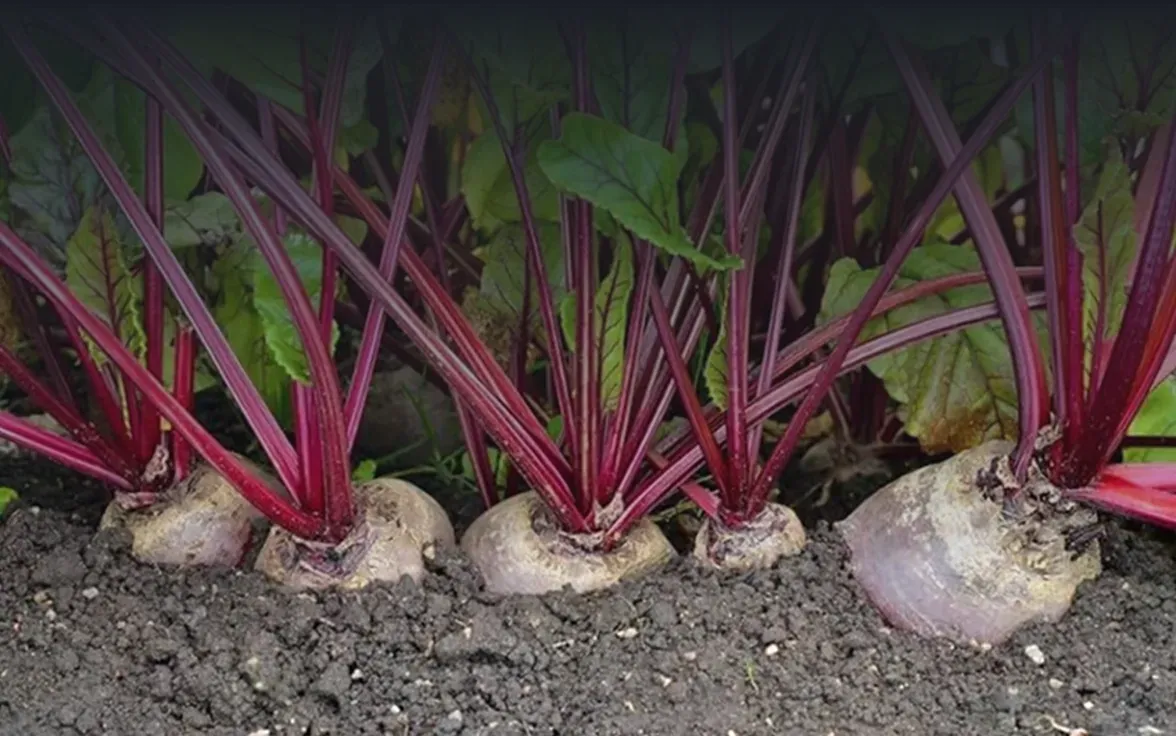
Taproot system; primarily grown for sugar extraction rather than direct consumption
Plant spacing and depth
Typically, 2–4 cm (0.8–1.6 inches) depth, 15–20 cm (6–8 inches) between plants, and 45–60 cm between rows (allows room for larger root development)
Irrigation needs
Moderate but consistent moisture is essential for proper root development; overwatering reduces sugar content and water logging can cause diseases
Geography
Widely grown in temperate regions, from Europe and the US to China
Temperature
Optimal is between 18–24°C (64–75°F). Beetroot can tolerate light frost but is sensitive to heat.
Season
Typically sown in spring and harvested in autumn
Growth cycle duration
150–200 days
Soil
Prefers well-drained sandy or loamy soils with good drainage.
pH
5.5–7.5 (optimal 6.0–7.0)
Strawberry Phenophases and Signs to Look Out For

Strawberries are cultivated worldwide; they thrive in temperate to subtropical climates and prefer well-drained, fertile soils rich in organic matter. While the plants are naturally perennial, it’s common to manage them as annuals for optimal commercial production.

Strawberries are known for their sweet flavor and are widely consumed both fresh and in processed forms: jams, juices, frozen, etc. The leaves and stems are sometimes used in agriculture for compost or mulch.

Strawberries can be grown in diverse environments, but proper management of soil health, irrigation, adequate pollination, and pest control is essential for quality yields. Cultivation practices like raised beds and mulching help improve drainage and reduce disease pressure. Strawberries can be included in crop rotation plans to maintain soil fertility.

Dormancy and Bud Break (Perennials Only)
01

Dormancy and Bud Break (Perennials Only)

The plant is inactive during the cold months, conserving energy to develop new roots, leaves, crowns, and runners after “waking up” at the beginning of the growing season.

Common threats and diseases: Frost damage, crown rot

Signs to watch: Overly dry leaves, standing water near crowns, no regrowth in spring, pest damage

Vegetative Growth
02

Vegetative Growth

Seed-grown varieties start with germination, which takes up to six weeks. In the case of runner-based propagation (most common), daughter plants are transplanted. Plants develop leaves, stems, and a compact crown; runners may form in some varieties.

Common threats and diseases: Damping-off, root rot, powdery mildew, leaf spot, aphids, spider mites. Fertilization and weed control are critical at this stage.

Signs to watch: Poor growth, curling or spotted leaves, pale or stunted seedlings, soft stems at the soil line, pest activity.

Flowering and Pollination
03

Flowering and Pollination

Flower buds begin developing inside the crown; then, flower stalks begin to rise above the leaves and flower buds become visible. When flowers open, pollination by bees and other insects starts.

Common threats and diseases: Botrytis, poor pollination, poor bud formation because of nutrient stress, thrips.

Signs to watch: Deformed fruits, mold on flowers, pest presence.

Fruit Set, Development, and Ripening
04

Fruit Set, Development, and Ripening

Pollinated flowers start to form small fruits. Later, fruits enlarge, change color from green to red, and accumulate sugars and aroma.

Common threats and diseases: Botrytis, anthracnose, slugs, birds, sunburn and drought stress, mold.

Signs to watch: Mold, soft berries, uneven ripening, bite marks.

Maturation and Harvesting
05

Maturation and Harvesting

Fruits are hand-picked when fully red and ripe; usually harvested every 2–3 days during the season.

Common threats and diseases: Overripeness, post-harvest rot, fruit bruising, pest damage.

Signs to watch: Overripe fruit, fruit drop, pest damage.

Common types

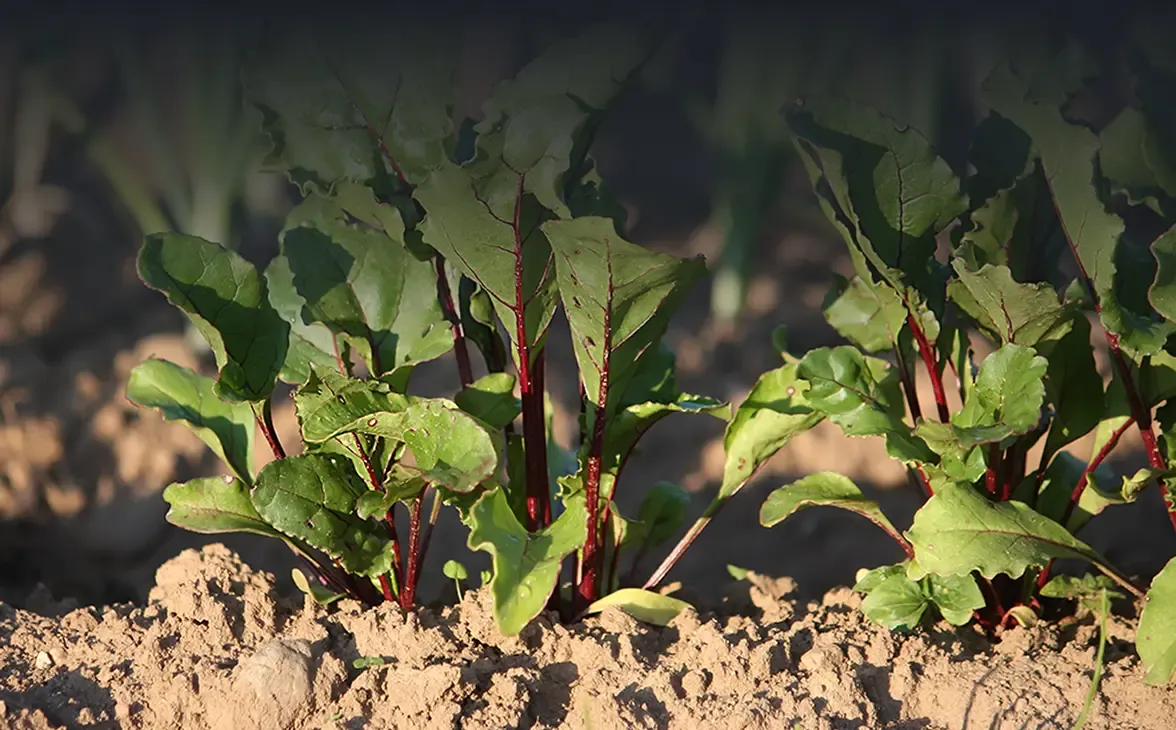
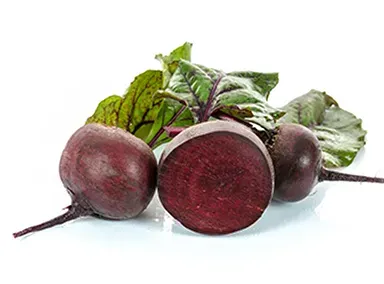
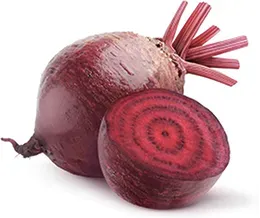
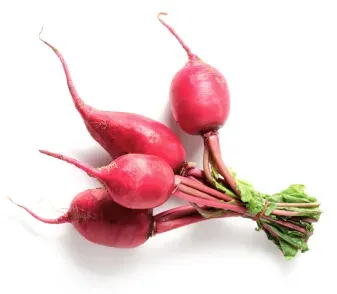
<strong>Red Beets</strong>: <br>The most common type; color varies from deep red to purple.

Red Beets:
The most common type; color varies from deep red to purple.

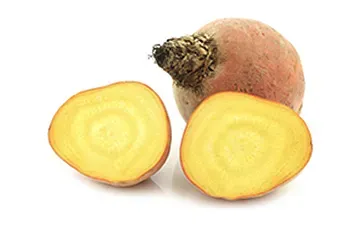
<strong>Golden Beets</strong>: <br>Golden-yellow beets; sweeter and softer when cooked compared to red beets.

Golden Beets:
Golden-yellow beets; sweeter and softer when cooked compared to red beets.

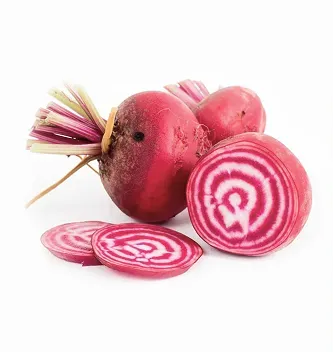
<strong>Chioggia</strong>: <br>An Italian variety with alternating red and white circles, “candy-striped” beets.

Chioggia:
An Italian variety with alternating red and white circles, “candy-striped” beets.

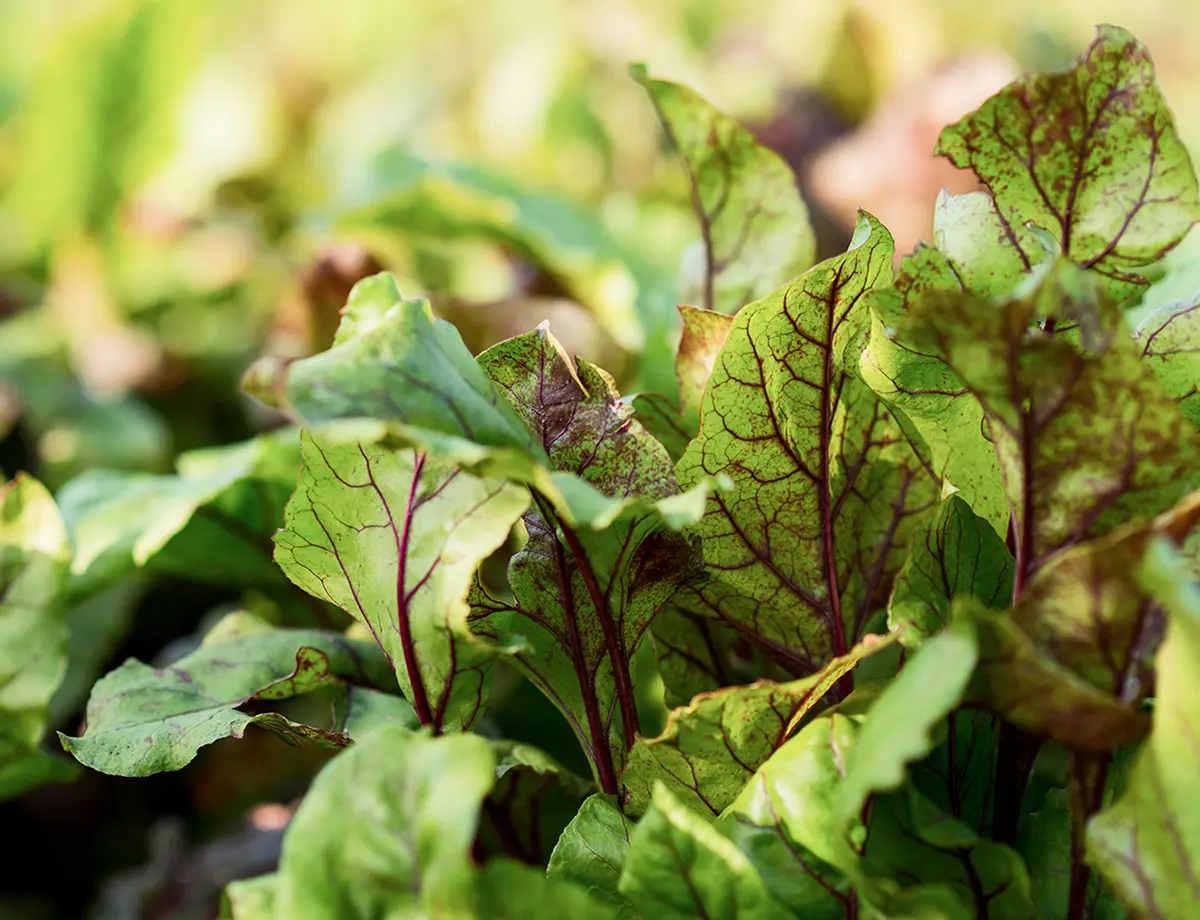
<strong>Bull’s Blood</strong>: <br>A variety known for maroon leaves and stems; the roots and the leaves are equally popular in cooking.

Bull’s Blood:
A variety known for maroon leaves and stems; the roots and the leaves are equally popular in cooking.

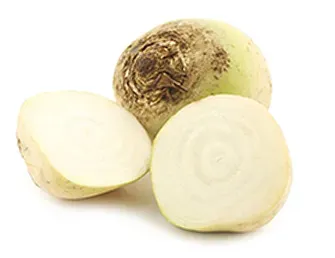
<strong>Avalanche Beets</strong>: <br>White beets with milder flavor and higher sugar content.

Avalanche Beets:
White beets with milder flavor and higher sugar content.

<strong>Baby Beets</strong>: <br />Young, small beets harvested early for their sweet taste and mellow texture.

Baby Beets:
Young, small beets harvested early for their sweet taste and mellow texture.

Cropler helps in every field

Poland
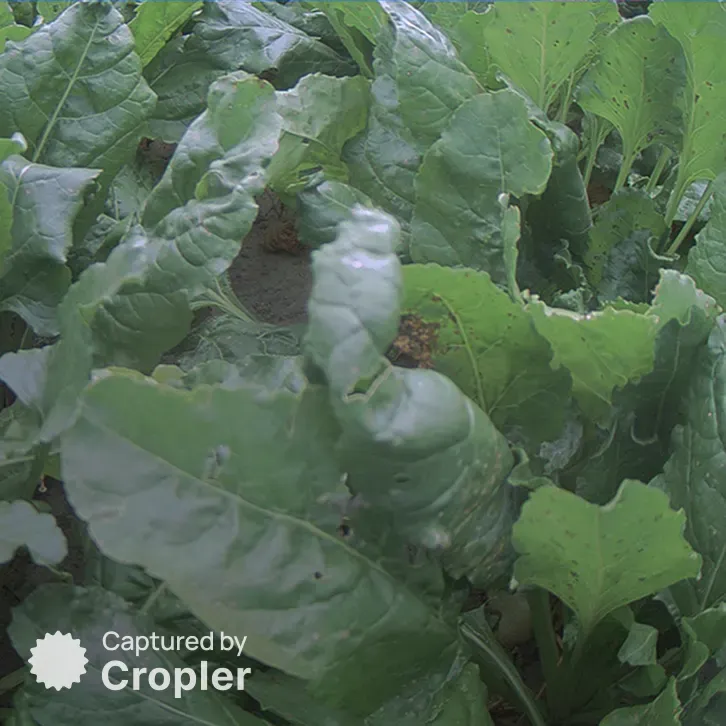
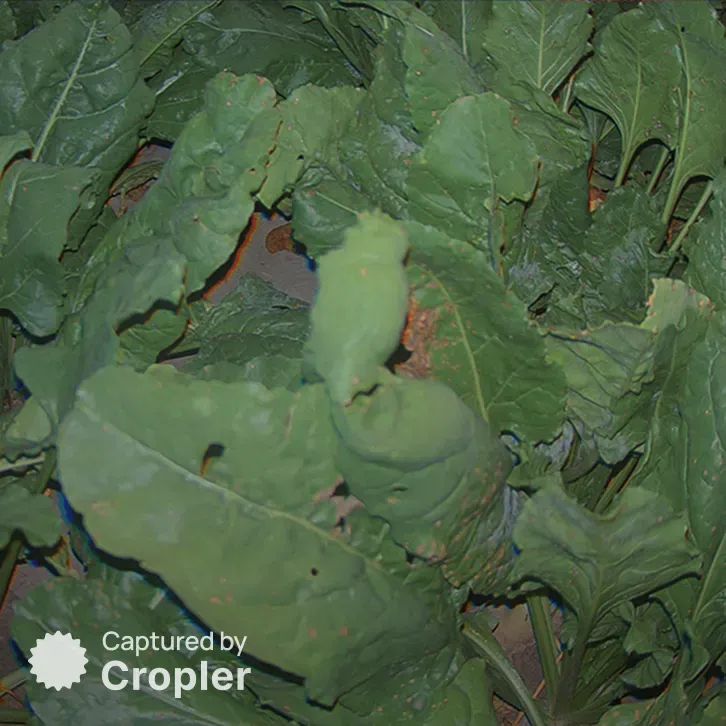
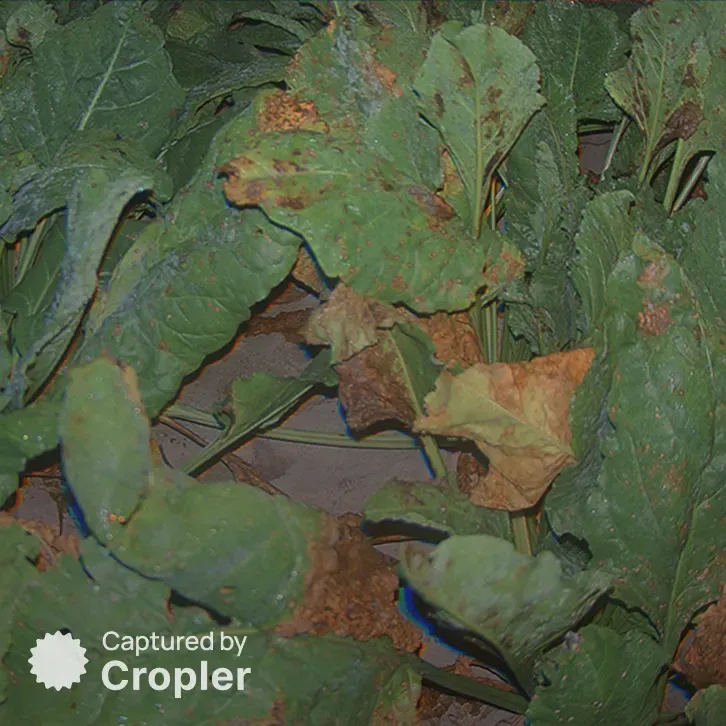
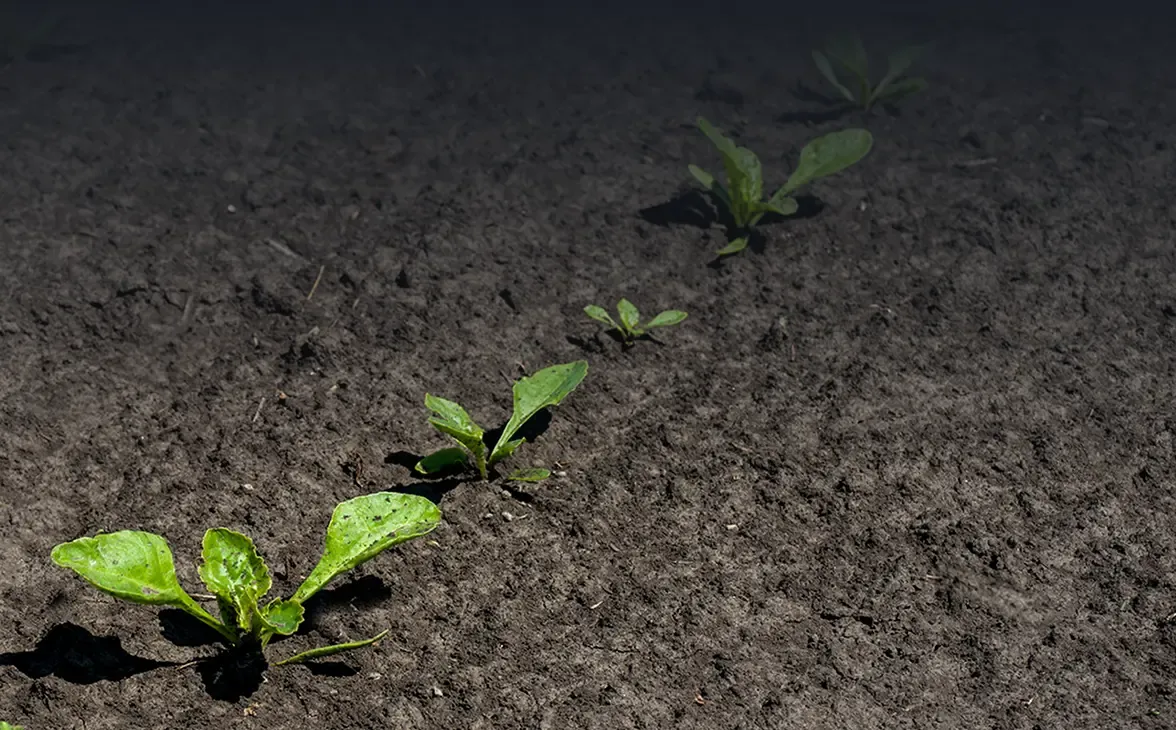
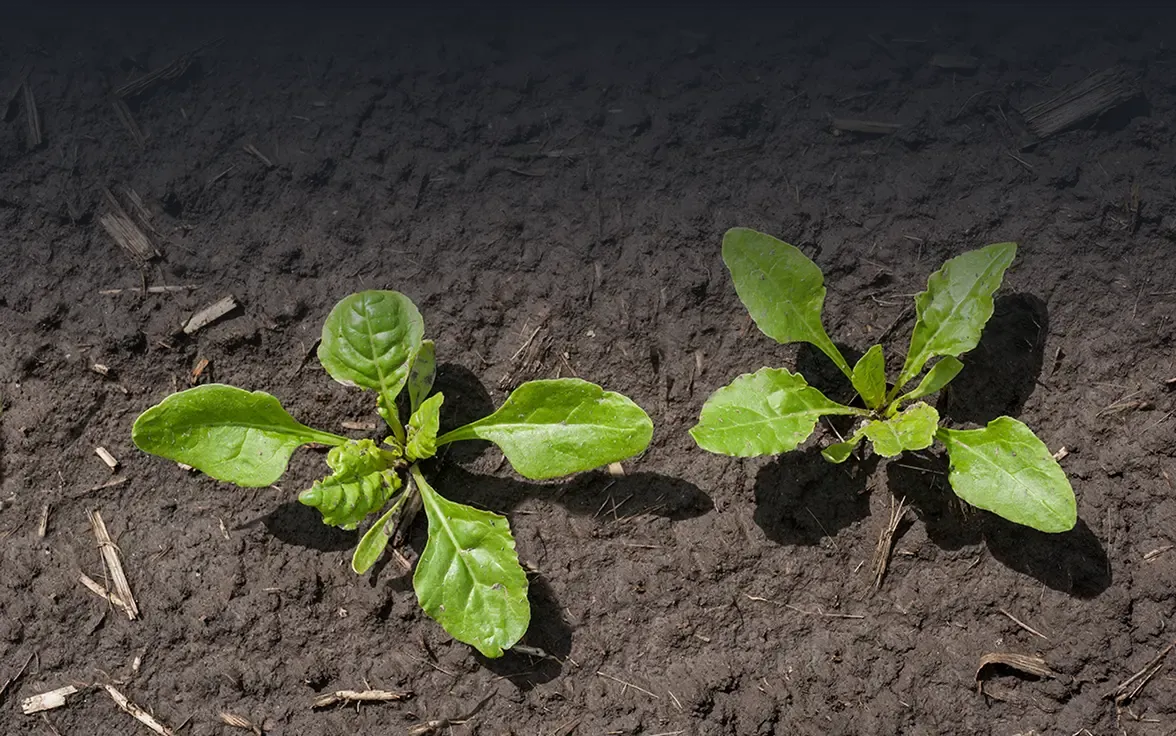
Detecting a sugar beet disease
Sugar beet, 1 August 2024
Sugar beet, 11 August 2024
Sugar beet, 20 August 2024

Cropler helps in many ways

Our goal is to help you monitor crop health day by day

Monitor plant health remotely 24/7
Choose the best time to irrigate and fertilize
Act quickly in the case of diseases or pests
Plan harvesting and estimate yield potential
Cropler

Every Field Needs a Camera

Contact Us

Cookies preferences

These cookies collect data about how you use our website, helping us to improve its performance and your user experience.Learn more in our Cookies policy andPrivacy policy