Syngenta
Precision Planting
AgraCheck
Osadkowski
ASA
Syngenta
Precision Planting
AgraCheck
Osadkowski
ASA

Above-ground Potato Monitoring  for Improved Underground Yield

24/7 real-time monitoring of plant health, potential threats, and growth patterns with agri-cameras

Order now

Potato: Key Facts

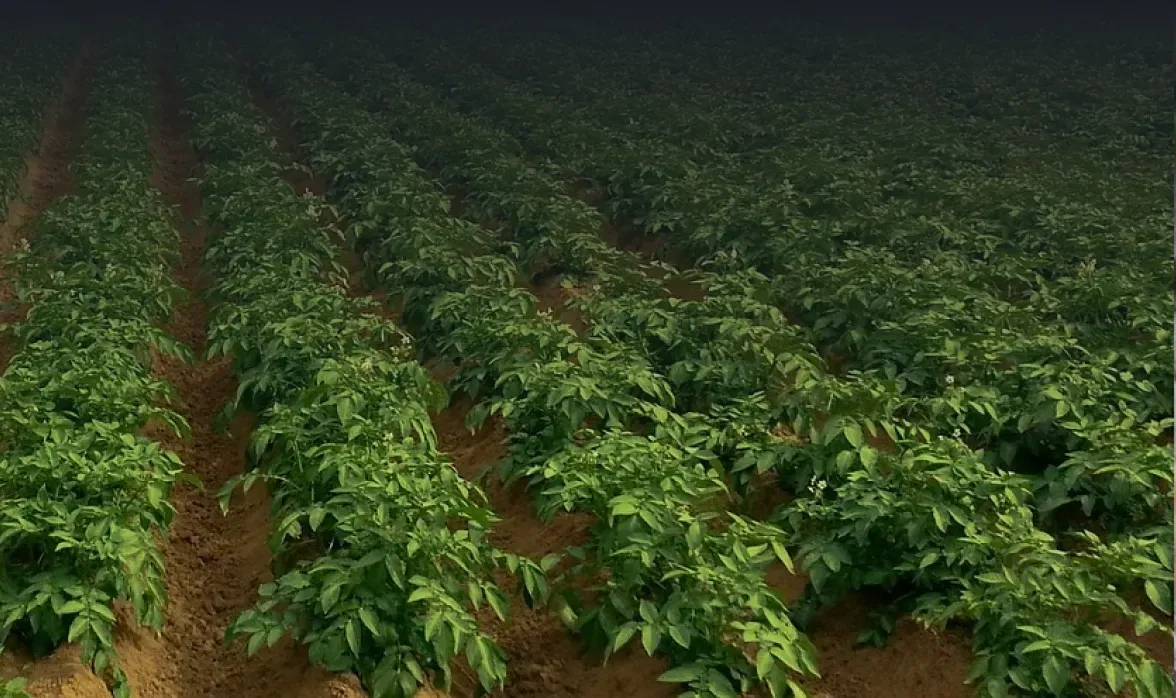
Potatoes are a starchy root vegetable cultivated worldwide. Currently, there are over 5000 varieties of this crop. It is grown for edible tubers that are rich in vitamins, potassium, and fiber, which makes it one of the staple foods in many countries. Potatoes prefer well-drained, loamy soils, require consistent moisture levels throughout the growth cycle, and are sensitive to extreme temperatures. They require proper irrigation, fertilization, and disease control.

Potato is particularly valued for its versatility in cooking, from frying and boiling to roasting and grilling. It is suitable for soups, salads, stews, and as a side dish; potato starch is commonly used in canned food production and baking.

Potato: Key Facts
Height
5 to 12 feet (1.5 to 3.6 m)
Yield per acre
150 to 300 bushels per acre (2.35 to 4.47 tonnes per hectare)
Pollination
Cross-pollination; the wind carries pollen from the male flowers to the female flowers on the same or nearby plants.
Roots
A fibrous root system extending 6.5 to 10 feet deep (2-3 m) and spreading horizontally for up to 4 feet (120 cm).
Irrigation needs
About 200 liters of water per plant during the growing season. With a density of 40,000 plants per hectare, all plants consume about 8 million liters of water, which is equivalent to 80 liters per 1 m² or 800 mm of precipitation.
Geography
Corn is grown worldwide with the largest producers being the United States and China; main exporters—the US, Argentina, Brazil, and Ukraine.
Climate
Warm climates with temperatures between 60°F and 86°F (15°C to 30°C) during a growing season.
Season
Usually planted in late spring and harvested in late summer to early fall.
Growth cycle duration
Typically about 60 to 180 days from planting to harvest, depending on the variety and environmental conditions.
Soil
Prefers well-drained, fertile soils with high organic matter content.
pH
5.6 to 7.5
Potato Phenophases and Signs to Look Out For

Sprouting and emergence
01

Sprouting and emergence

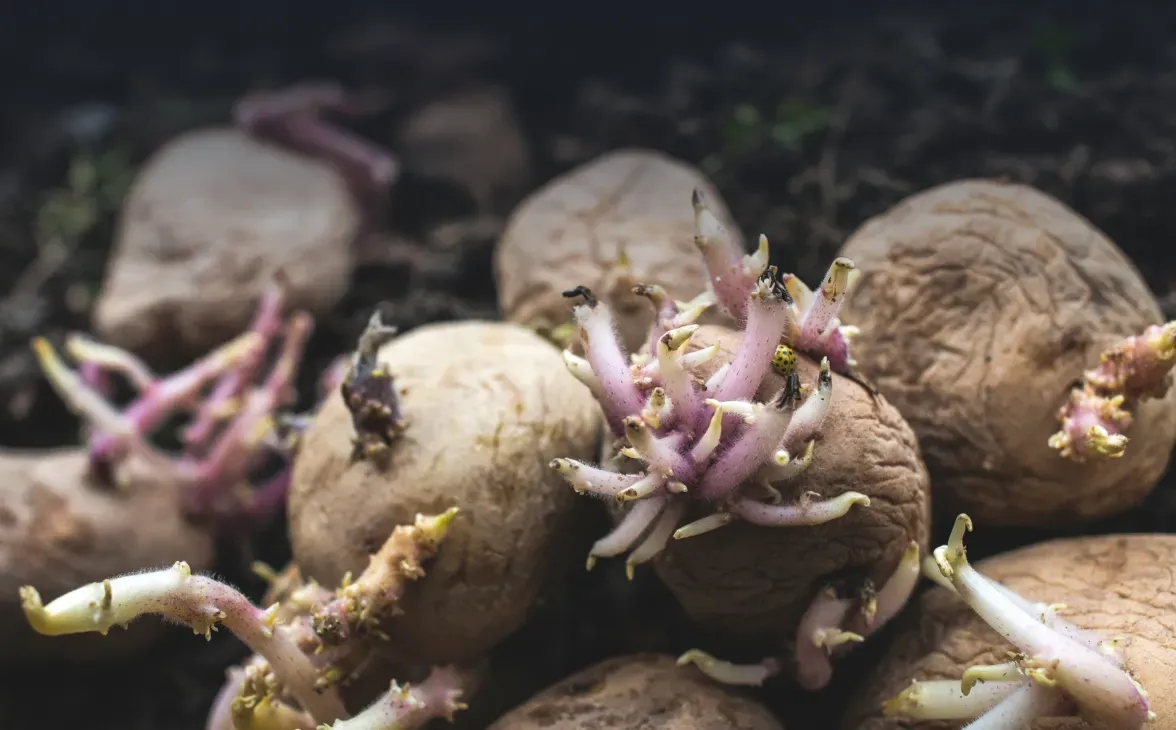
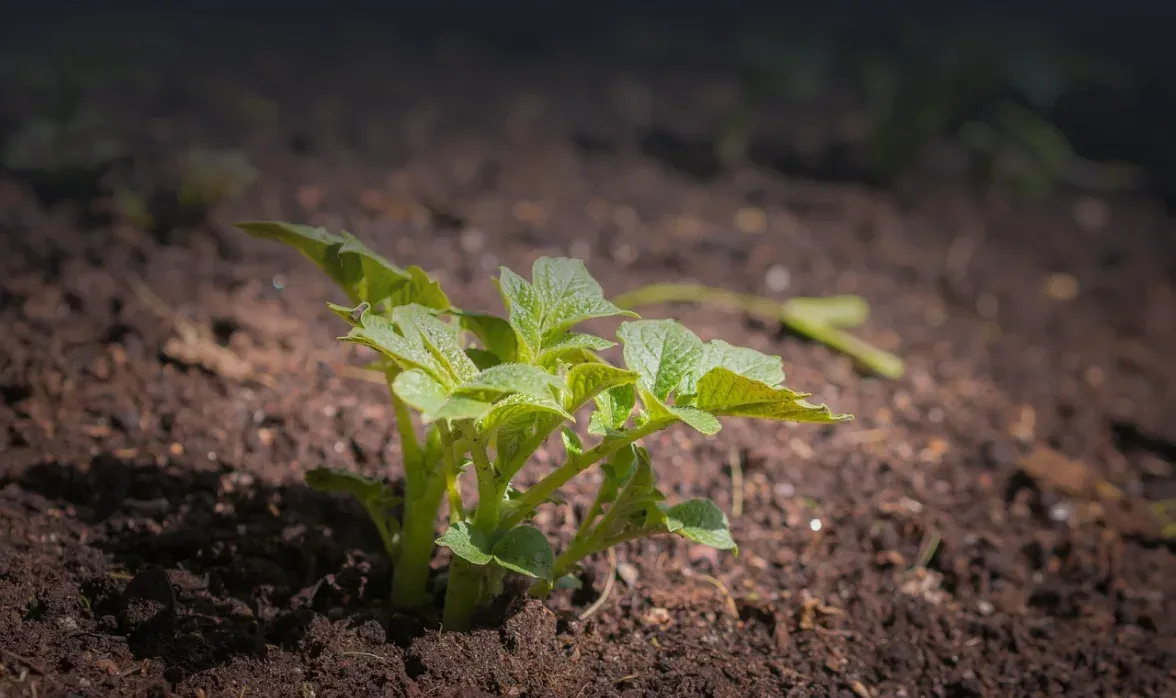
The seed tubers begin to sprout. Shoots emerge from the soil, become thicker, and form the first leaves. The roots start establishing in the top layer of the soil.

Common threats and diseases: Fungal diseases like tuber rot or early blight; soil-borne diseases; pests like wireworms or maggots.

Signs to watch: Slow or uneven emergence, discolored or damaged shoots, signs of pest activity.

Vegetative growth
02

Vegetative growth

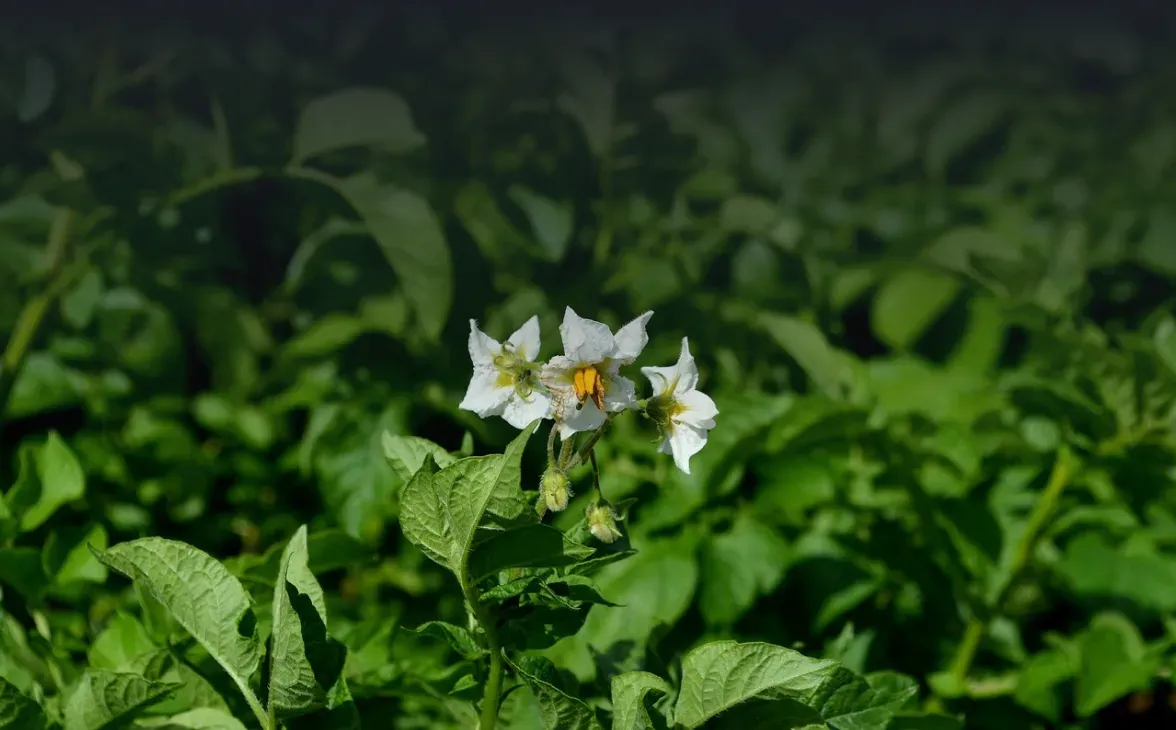
The plant produces new, thicker stems and more foliage. The roots become stronger and start to store nutrients and starches for future tuber development. Toward the end of this stage, flowering begins; it doesn’t affect tuber development but indicates plant health.

Common threats and diseases: Aphids, leafhoppers; early blight and powdery mildew, especially in the case of high humidity. Nutrient deficiencies — adequate nitrogen levels are important at this stage.

Signs to watch: Stunted growth; yellowing, discolored, or curling leaves; spots or concentric rings on the leaves.

Tuber initiation
03

Tuber initiation

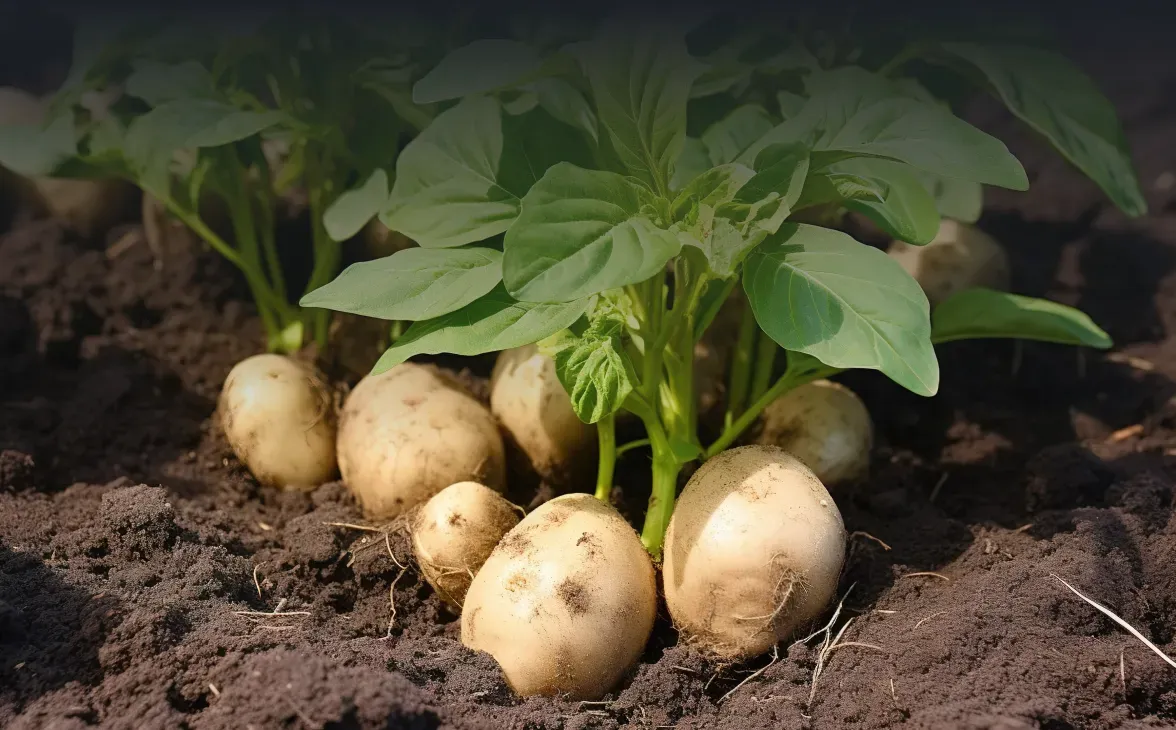
The plants shift energy towards tuber growth: tubers start forming on stolons, underground stems. Optimal soil moisture is critical at this stage.

Common threats and diseases: Fungal diseases like black scurf; pests like Colorado potato beetles; calcium deficiency. Both drought and waterlogging are harmful.

Signs to watch: Wilted leaves, reduced tuber set, surface cracking on tubers, pest damage.

Tuber bulking
04

Tuber bulking

Tubers accumulate starch and enlarge. The plants continue to strengthen the root system, and canopies photosynthesize to support the delivery of sugars and nutrients to tubers. During this weeks-long stage, the plants depend on water availability, temperature, and soil fertility.

Common threats and diseases: Late blight, bacterial soft rot, Colorado potato beetles, nematodes.

Signs to watch: Yellowing or browning patches on the leaves; soft, rotting areas on tubers; stunted tuber growth.

Maturity and senescence
05

Maturity and senescence

The final stage, during which the plant gradually reduces growth activity. Foliage begins to yellow and die; tubers reach their maximum size and weight, develop a firm skin, and are ready to be harvested.

Common threats and diseases: Late-season blight; pests like rodents; adverse environmental conditions like frost.

Signs to watch: Uneven or premature yellowing or wilting of leaves; soft spots, wet rot, cracking, or secondary growth on tubers.

Common types

Russet

Russet

Large, oblong tubers with brown skin and white flesh. Due to their high starch content and fluffy texture when cooked, they are commonly used for baking, frying, and mashing.

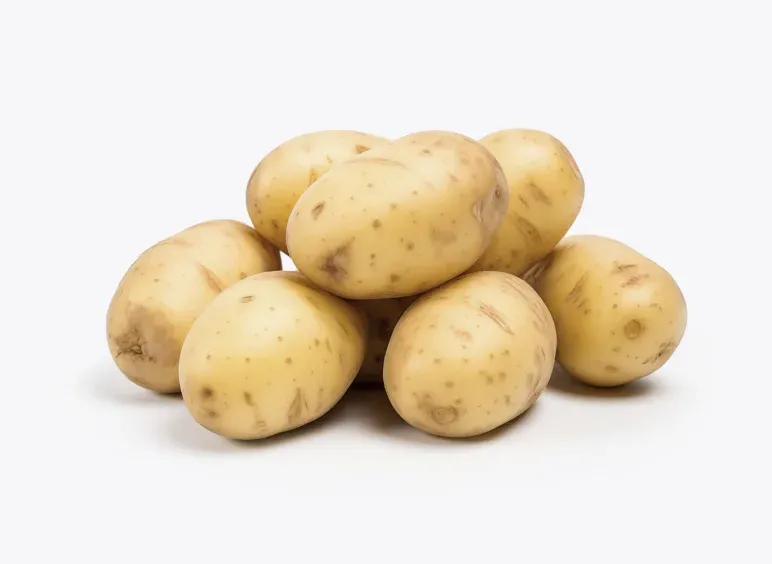
White potatoes

White potatoes

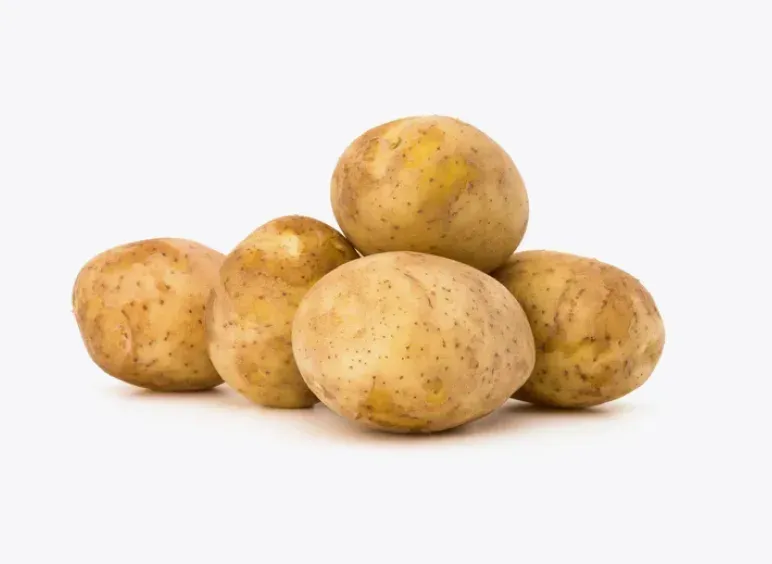
Potatoes with thin pale brown skin and white flesh that has a creamy texture when cooked. Commonly used for boiling and mashing as well as in soups, salads, and stews.

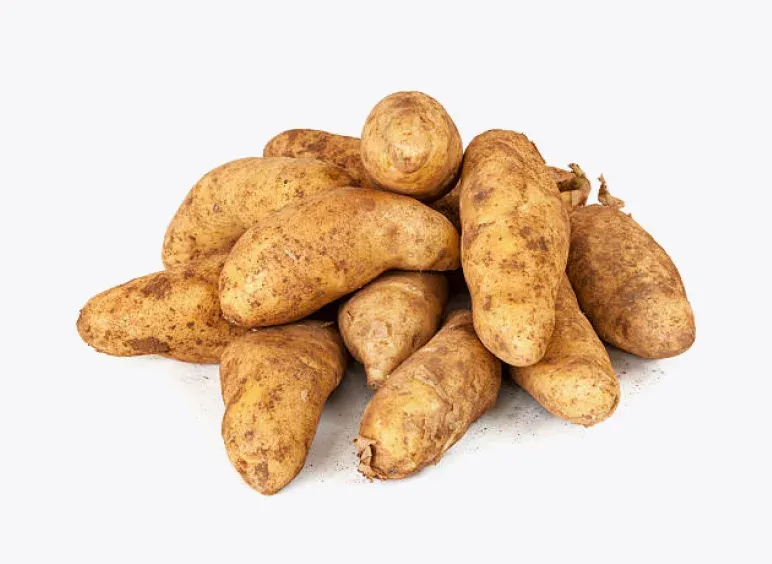
Fingerling

Fingerling

Small, elongated tubers, typically waxy. Fingerling potatoes usually have a light nutty flavor and are used for roasting, grilling, salads, and other dishes.

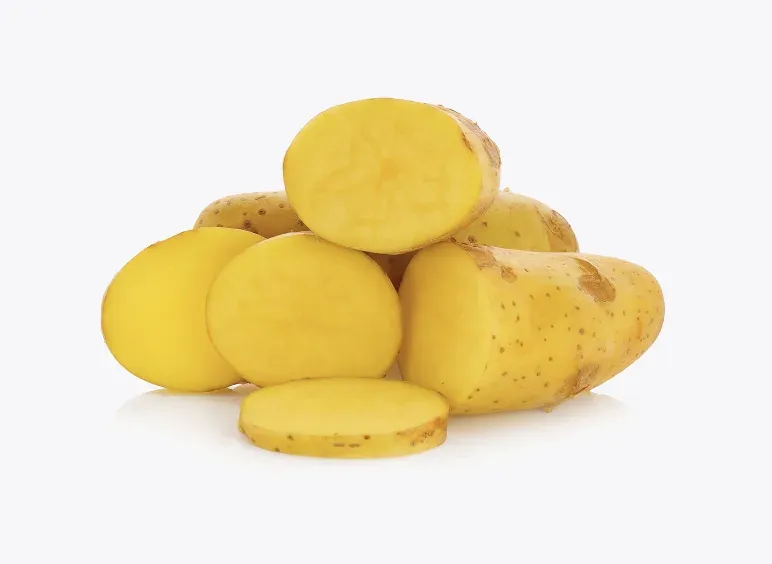
Yellow potatoes

Yellow potatoes

A large category of potatoes with thin yellow skin and pale yellow flesh where tubers are more waxy and moist rather than starchy. Suitable for most cooking methods, from boiling and mashing to baking and roasting.

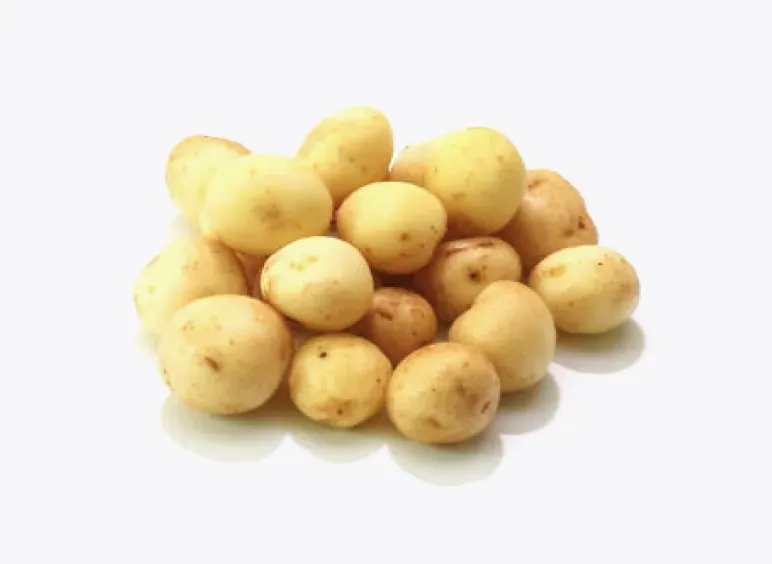
Petite

Petite

Bite-sized varieties of yellow, white, red, and fingerling potatoes. Tubers are typically firm and waxy, which makes them perfect for frying, boiling, and roasting whole.

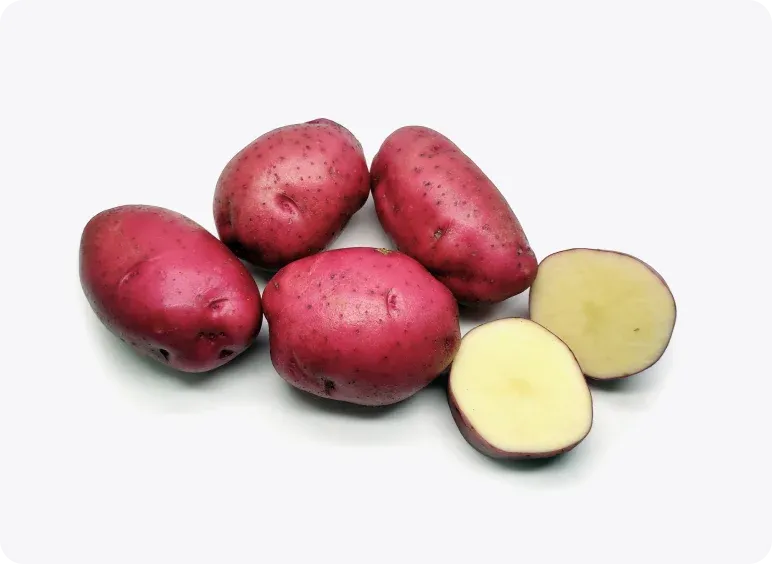
Red potatoes

Red potatoes

Have smaller tubers with red skin and white or light yellow flesh. Known for retaining their shape well when boiled and having a smooth texture when roasted.

Cropler helps in every field

Canada
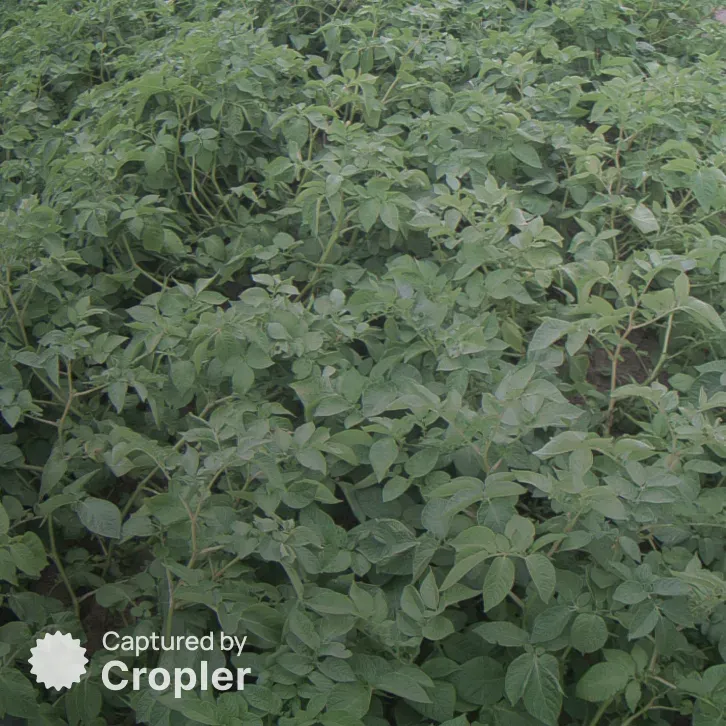
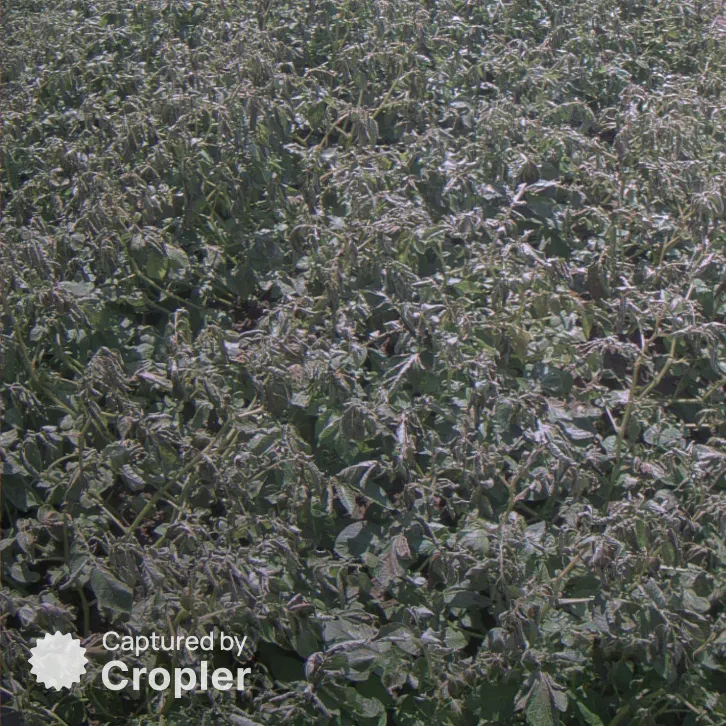
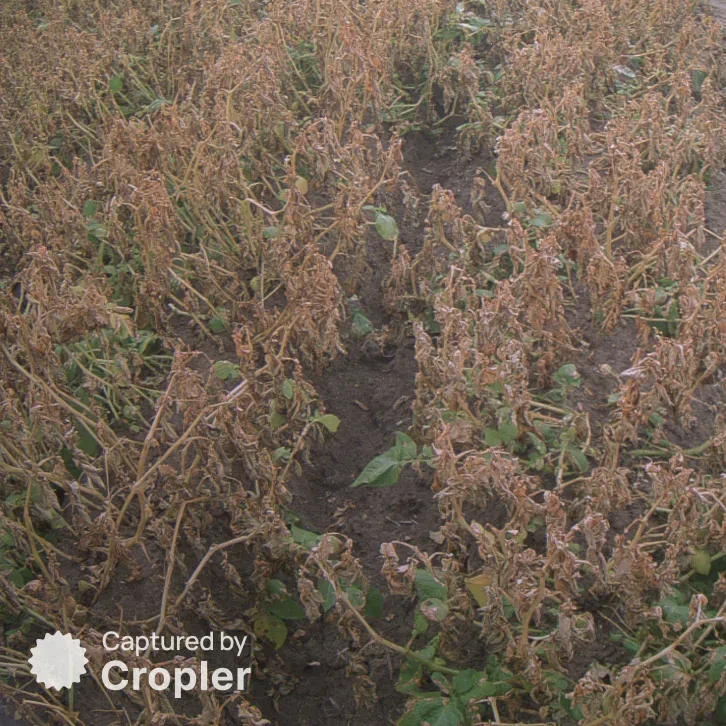
Monitoring the health of potato plants
Potato, 7 August 2024
Potato, 9 August 2024
Potato, 16 August 2024

Cropler helps in many ways

Our goal is to help you monitor crop health day by day

Monitor plant health remotely 24/7
Choose the best time to irrigate and fertilize
Act quickly in the case of diseases or pests
Plan harvesting and estimate yield potential
Cropler

Every Field Needs a Camera

Contact Us

Cookies preferences

These cookies collect data about how you use our website, helping us to improve its performance and your user experience.Learn more in our Cookies policy andPrivacy policy