
Customer Stories
Cropler stands for data-based solutions, so let these agri-cases speak for themselves

Detecting herbicide effectiveness
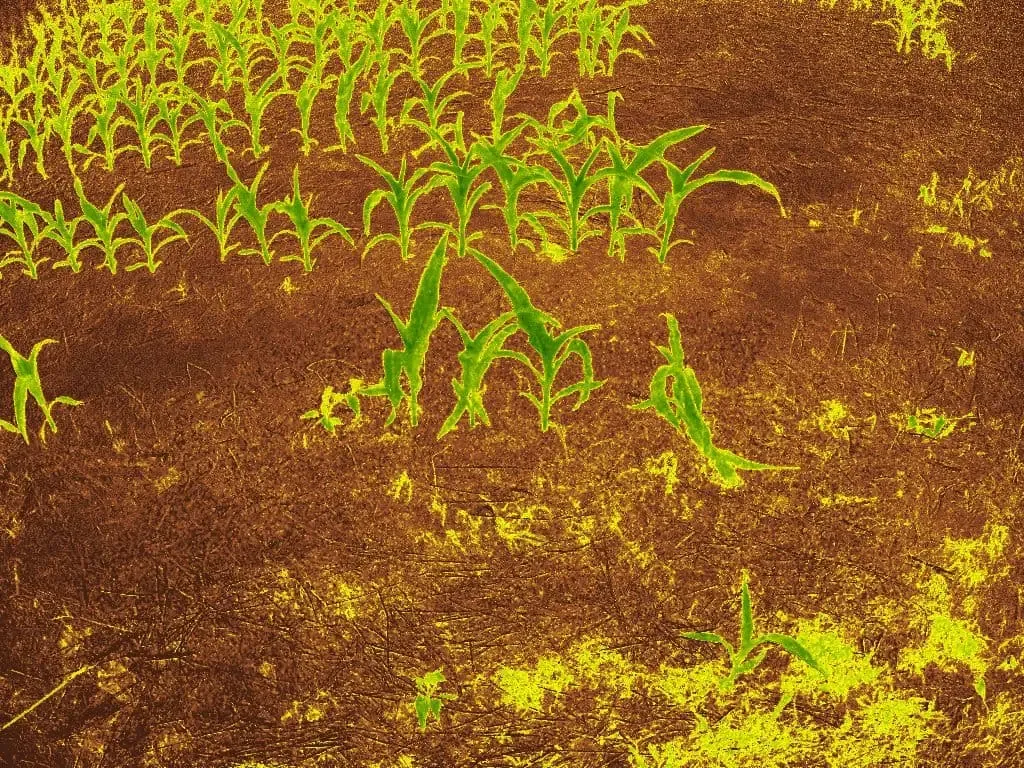
How Cropler helped: Through Cropler’s agri-camera, farmers observed the presence of weeds in the field and took action by applying herbicide. The camera continued to monitor the field 24/7 and sent photo data to a web platform three times a day. The effectiveness of the herbicide was evident as the weeds started to disappear.
Outcome: At the end of the monitoring period, corn was growing in the field with no visible weeds. Cropler photo monitoring made it possible to observe the changes in the field without additional time-consuming and costly scouting.
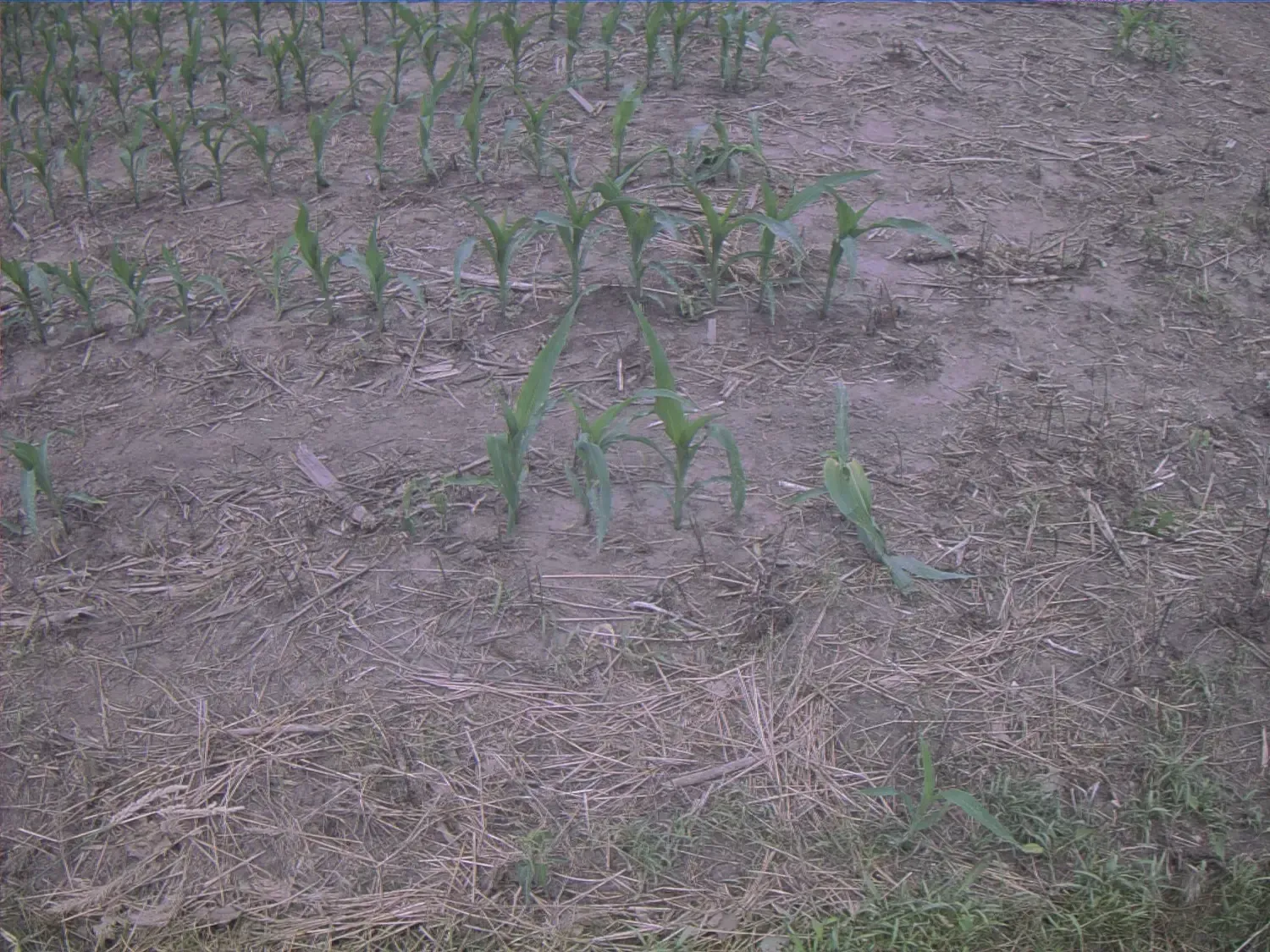
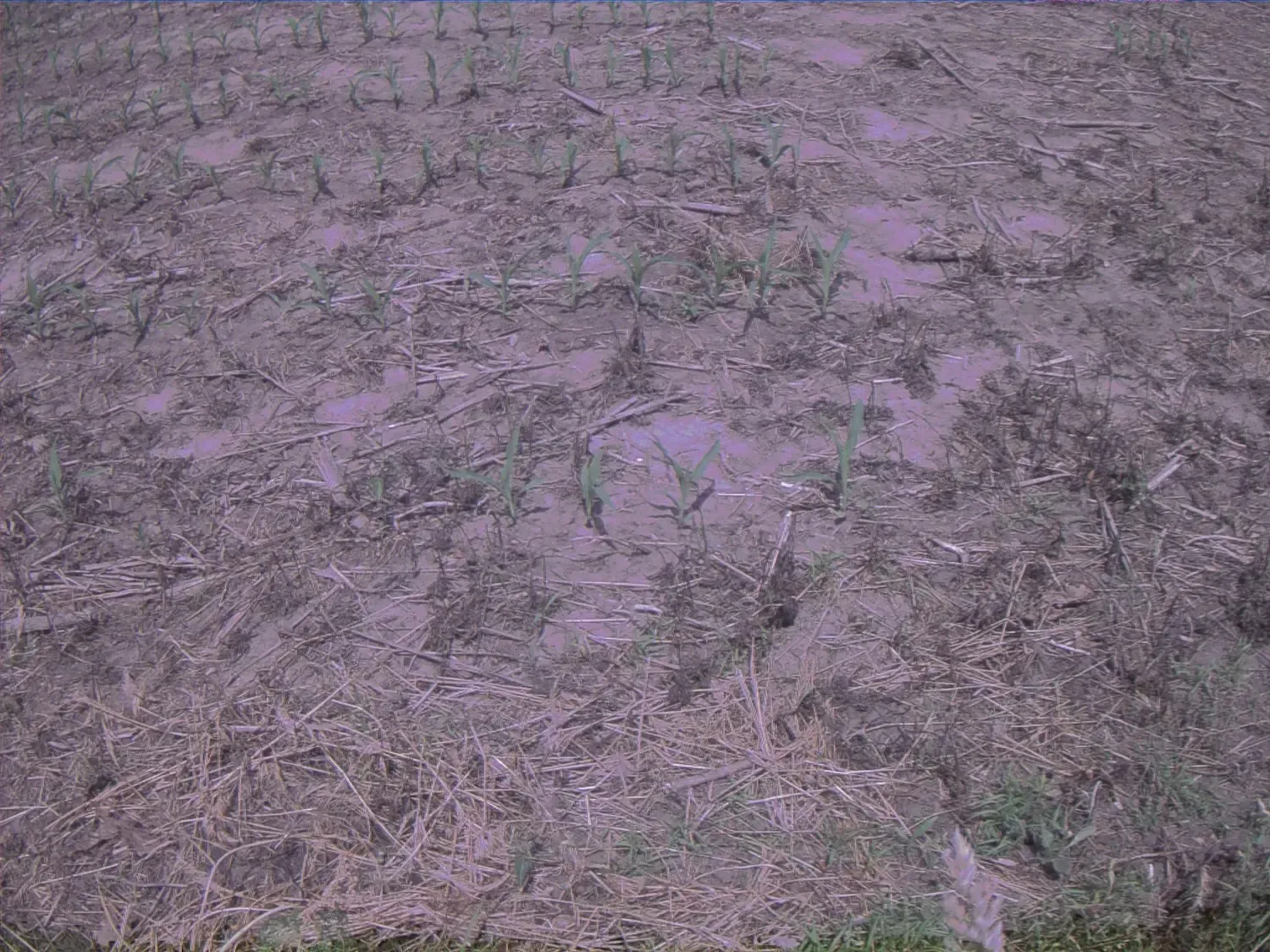
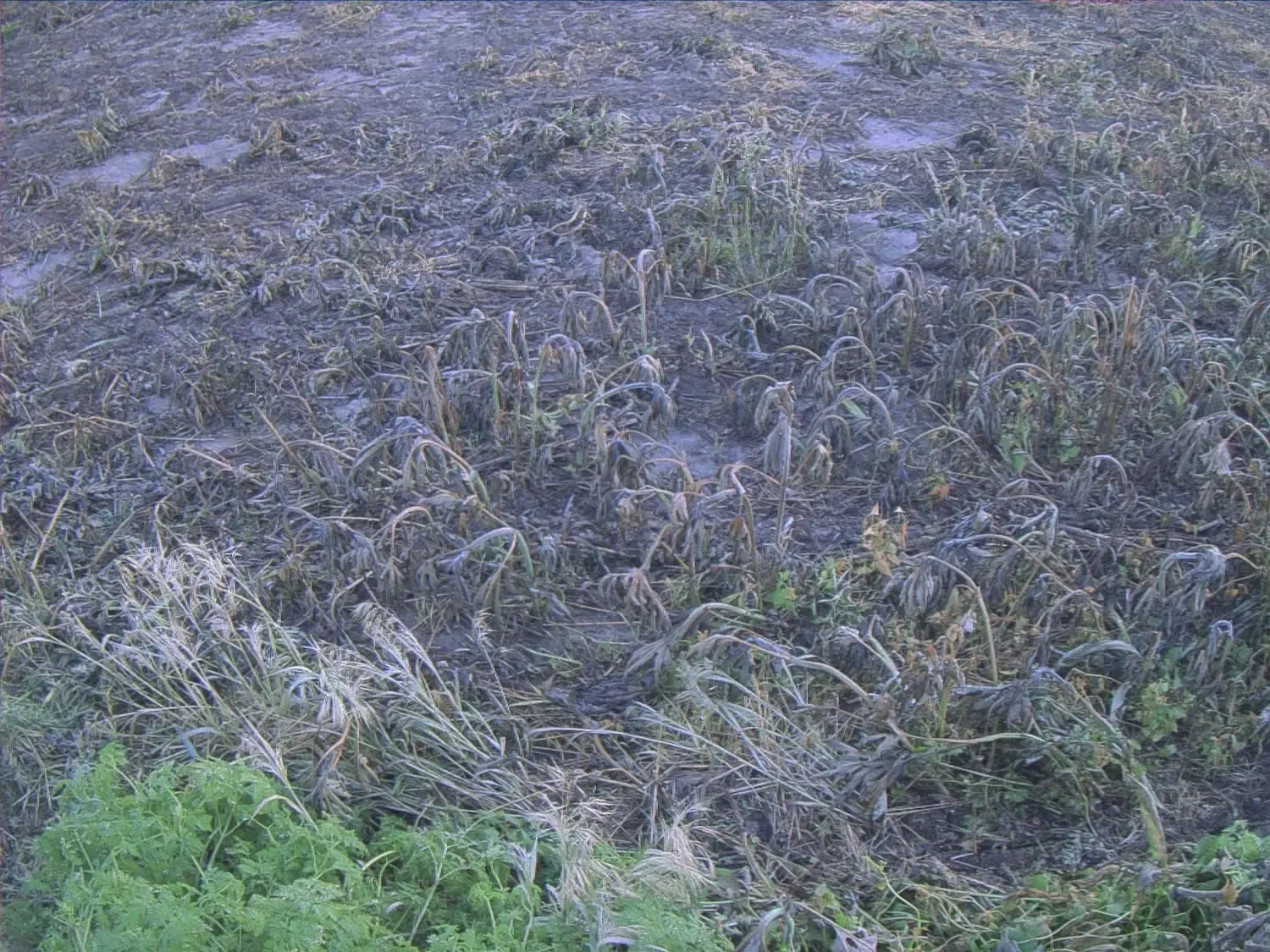
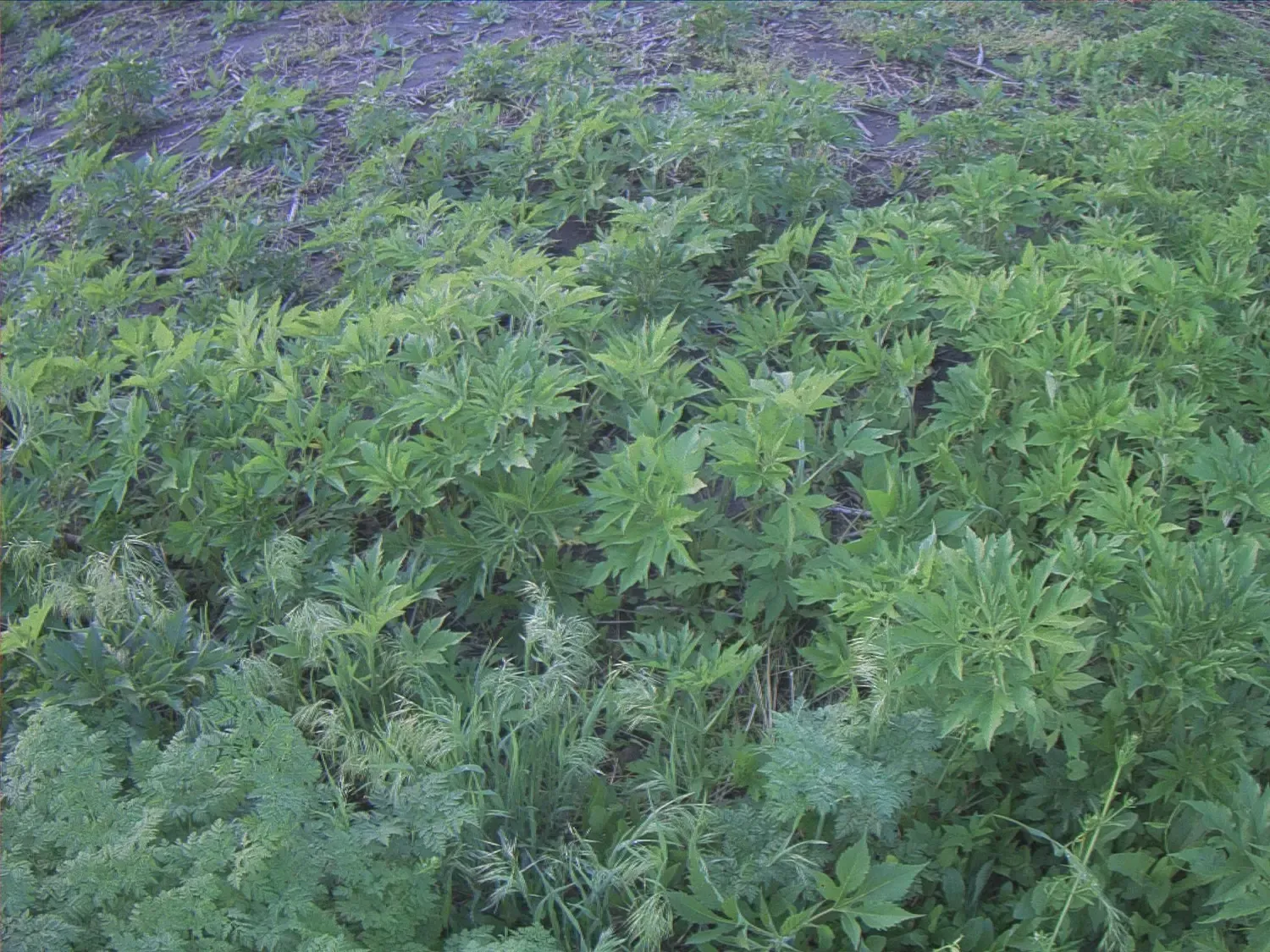
Detecting herbicide effectiveness
How Cropler helped: Through Cropler’s agri-camera, farmers observed the presence of weeds in the field and took action by applying herbicide. The camera continued to monitor the field 24/7 and sent photo data to a web platform three times a day. The effectiveness of the herbicide was evident as the weeds started to disappear.
Outcome: At the end of the monitoring period, corn was growing in the field with no visible weeds. Cropler photo monitoring made it possible to observe the changes in the field without additional time-consuming and costly scouting.

Remote detection of insects and pests
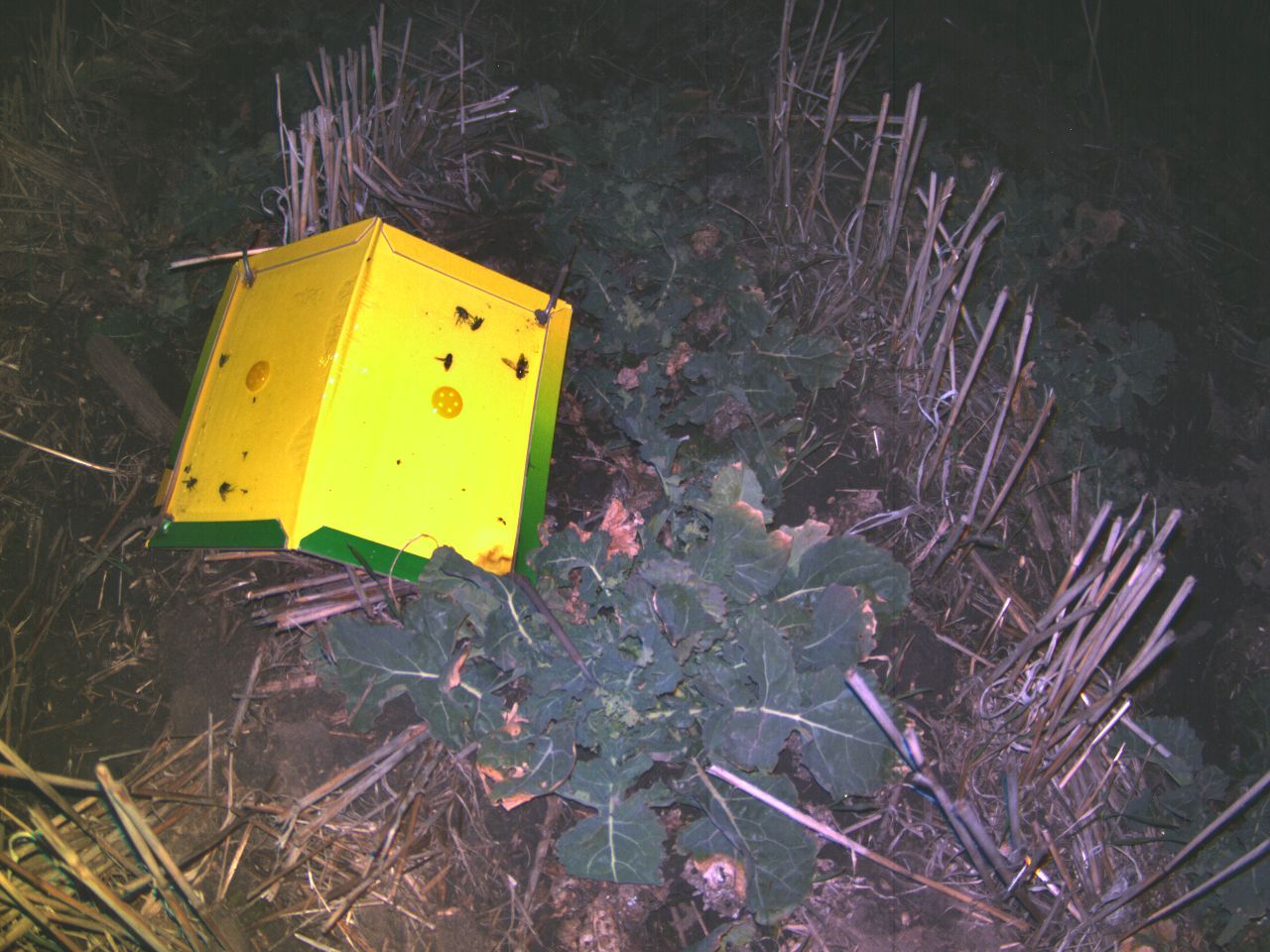
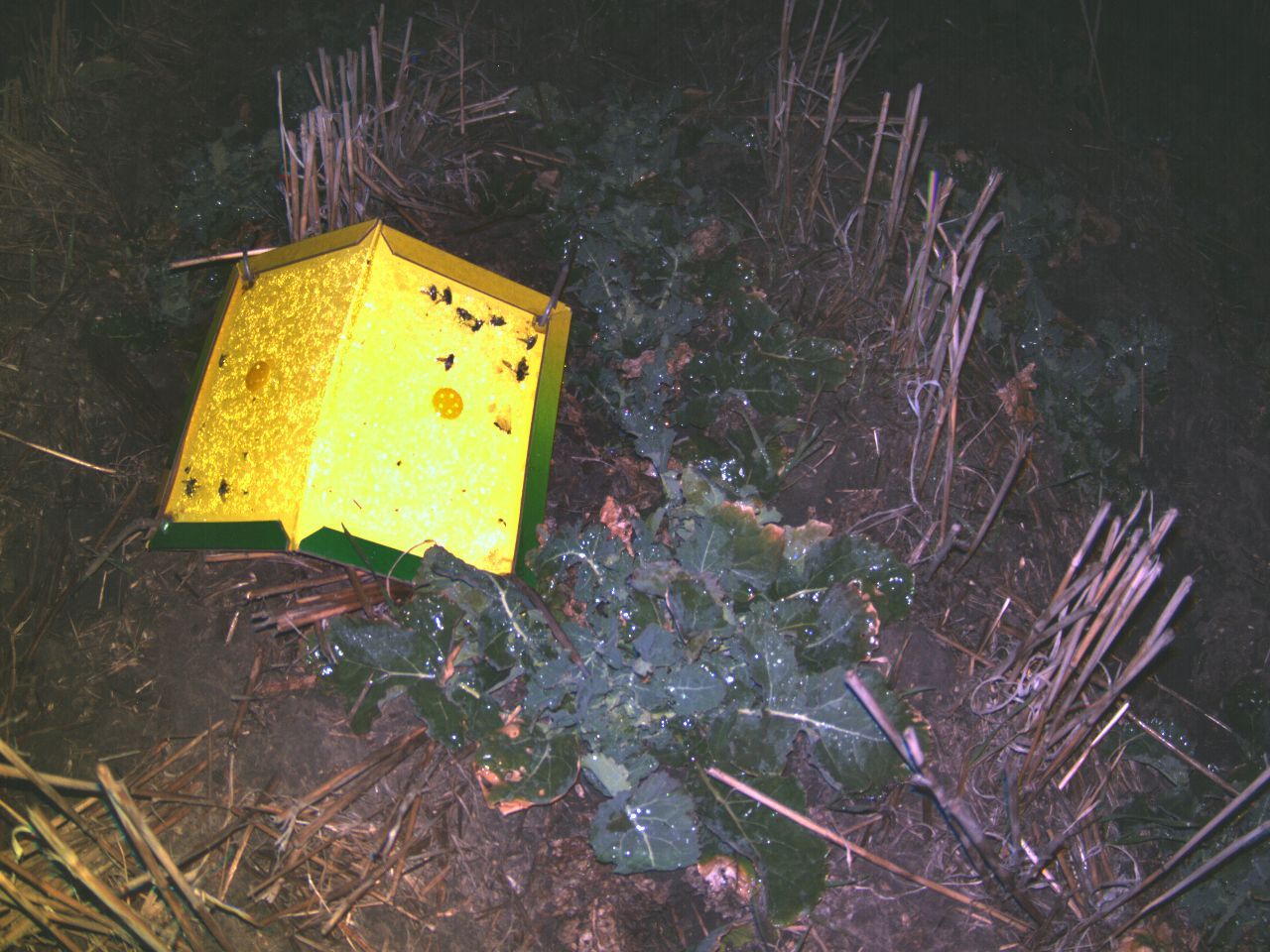
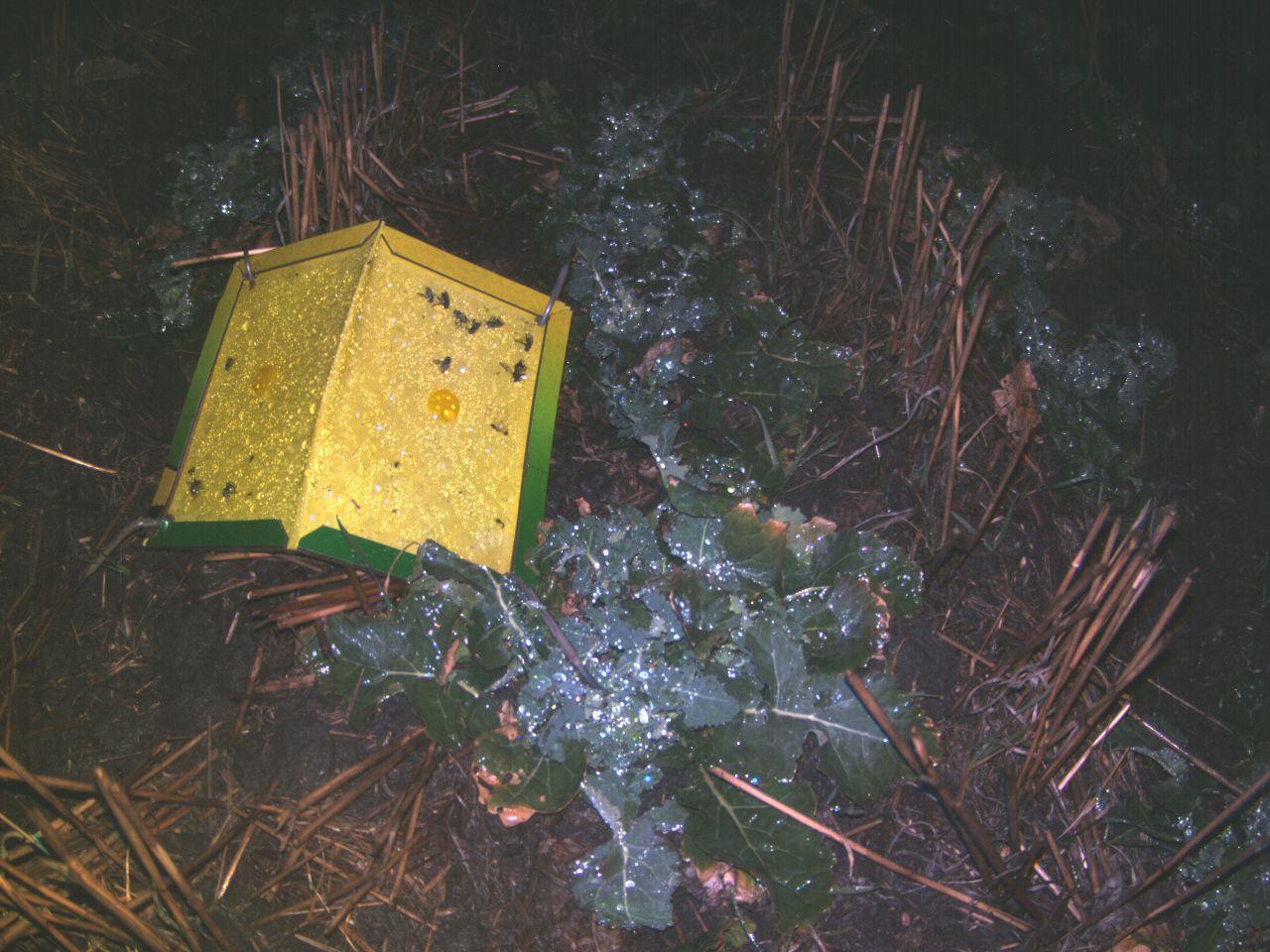
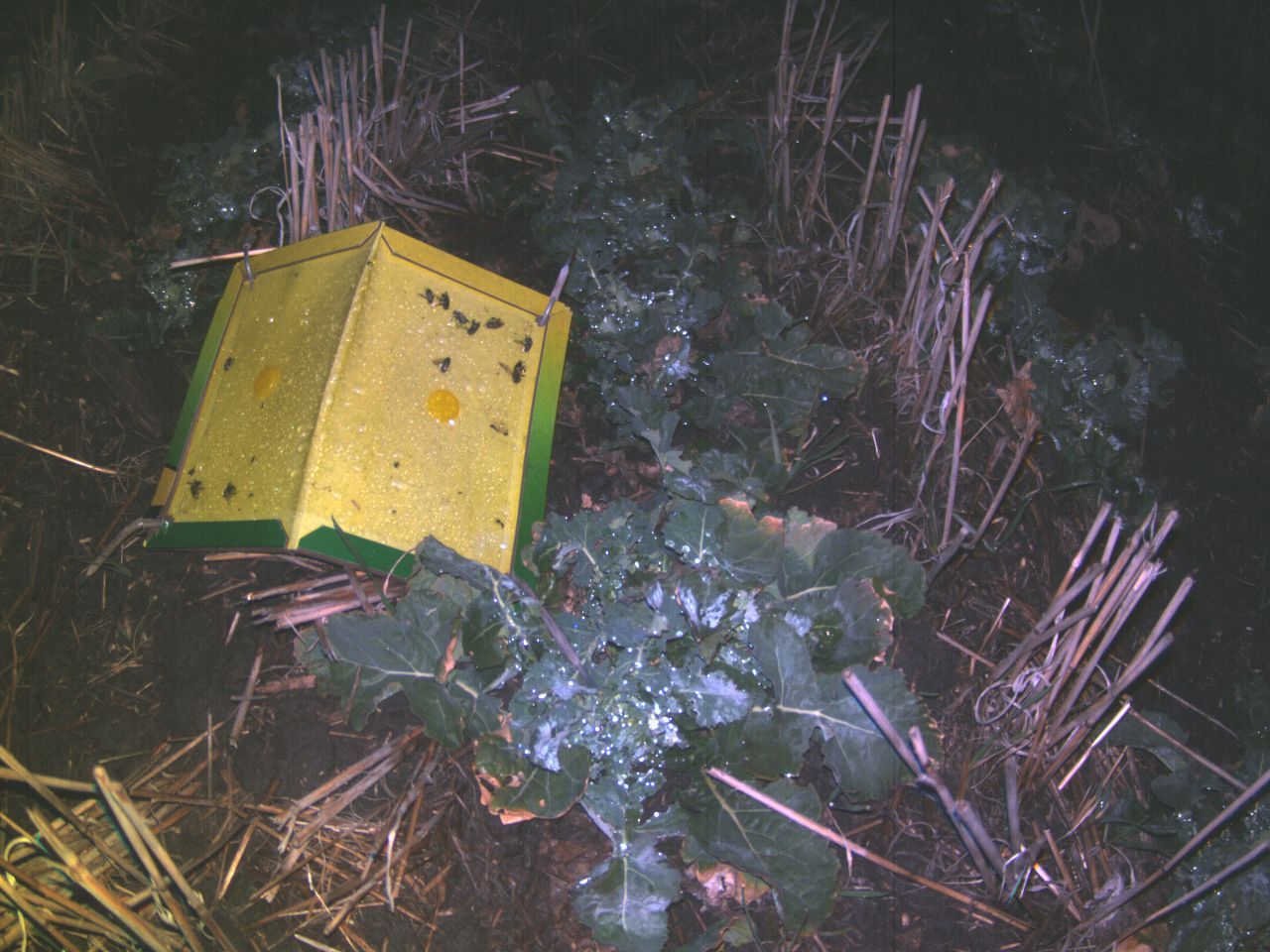
How Cropler helped: The farm's agronomist set a pheromone trap, and Cropler’s camera took a series of photos every day, showing the dynamics of insect emergence and a significant increase in their numbers by the end of April.
Outcome: Due to photo monitoring and a set pheromone trap, it was possible to detect the presence of pests in the field and identify their species.
Note: These photos were taken with the first, test version of the Cropler device, which did not yet have an enhanced camera. Currently, the devices are equipped with higher-quality cameras.
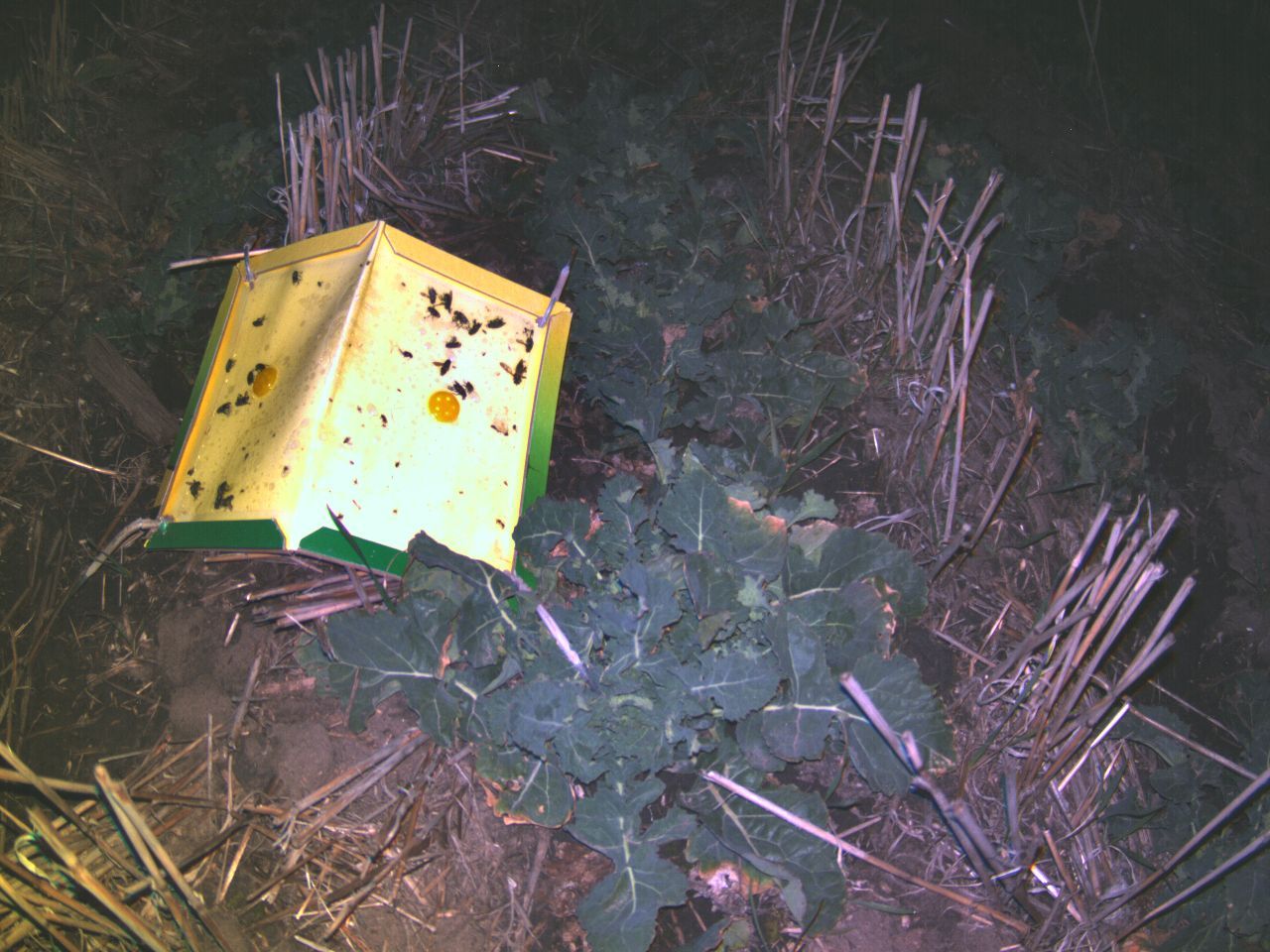
Remote detection of insects and pests
How Cropler helped: The farm's agronomist set a pheromone trap, and Cropler’s camera took a series of photos every day, showing the dynamics of insect emergence and a significant increase in their numbers by the end of April.
Outcome: Due to photo monitoring and a set pheromone trap, it was possible to detect the presence of pests in the field and identify their species.
Note: These photos were taken with the first, test version of the Cropler device, which did not yet have an enhanced camera. Currently, the devices are equipped with higher-quality cameras.

Daily remote monitoring of wheat development
How Cropler helped: Cropler recorded the presence of fog and moisture starting on July 2, 2024, and the series of photographs showed the development of leaf rust on wheat. By mid-July, the development of rust had significantly increased.
Outcome: The presence of a camera in the field provided agronomists with up-to-date information, so they could monitor the development of crop disease daily and take action to address it.
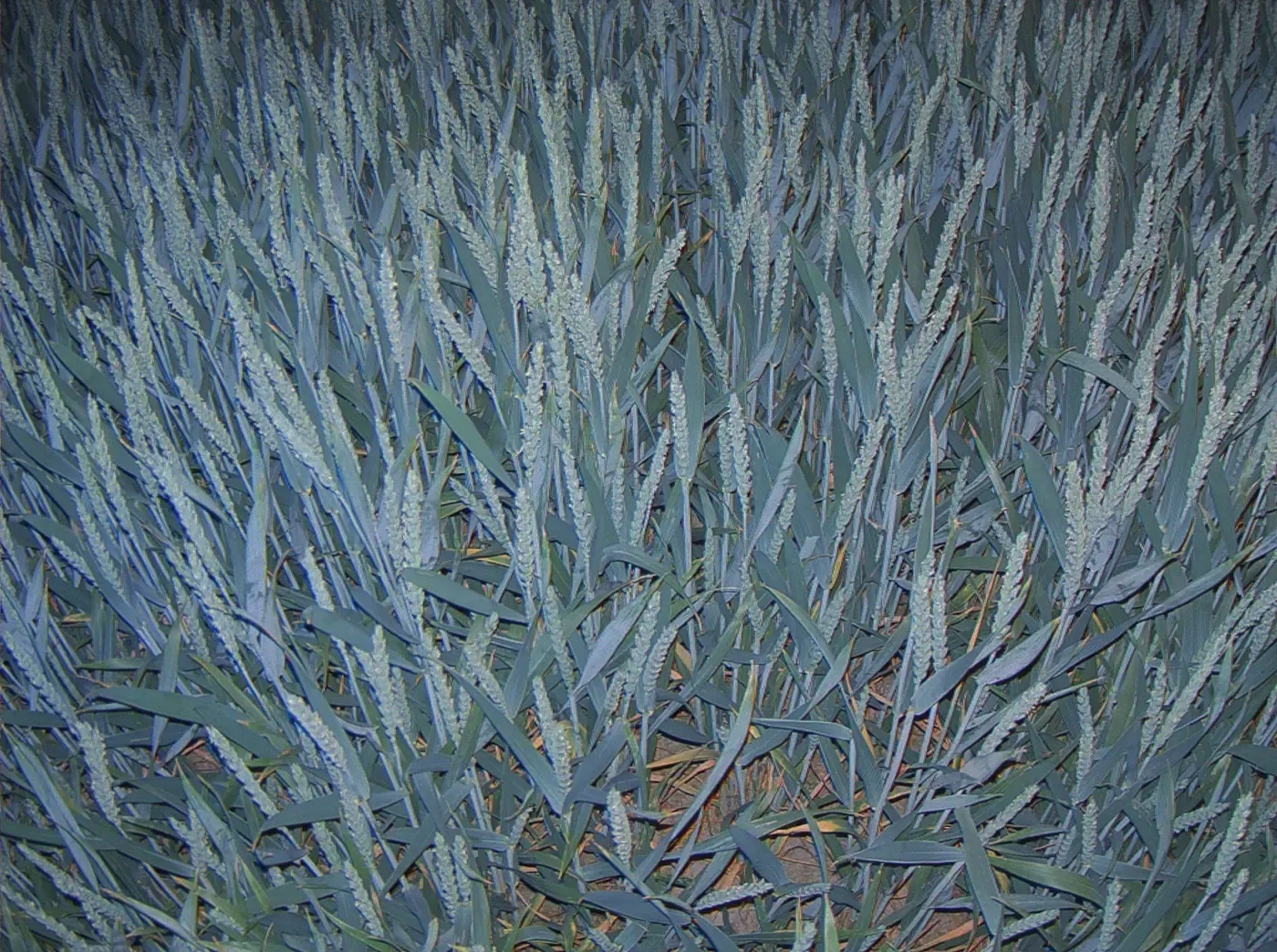
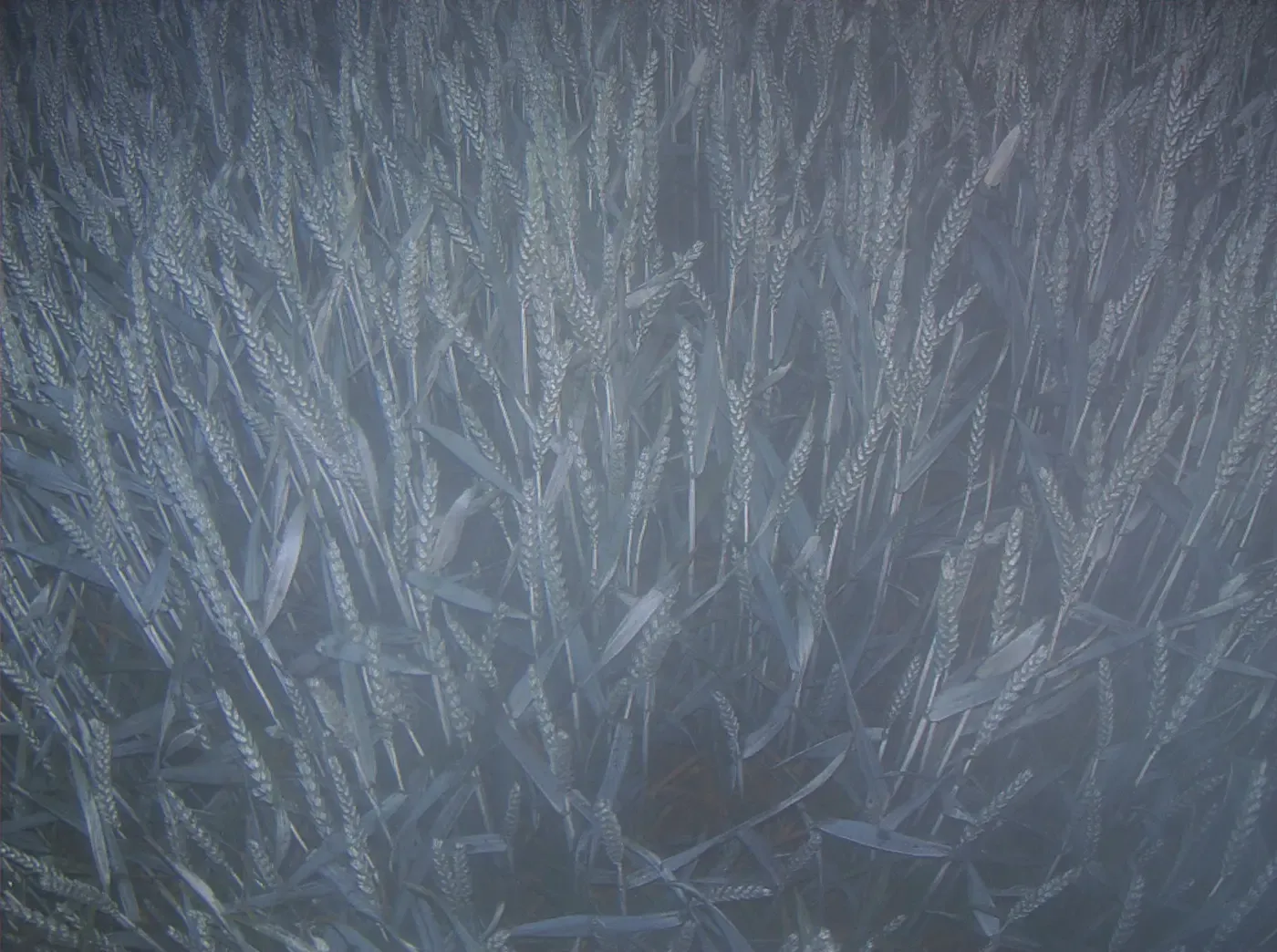
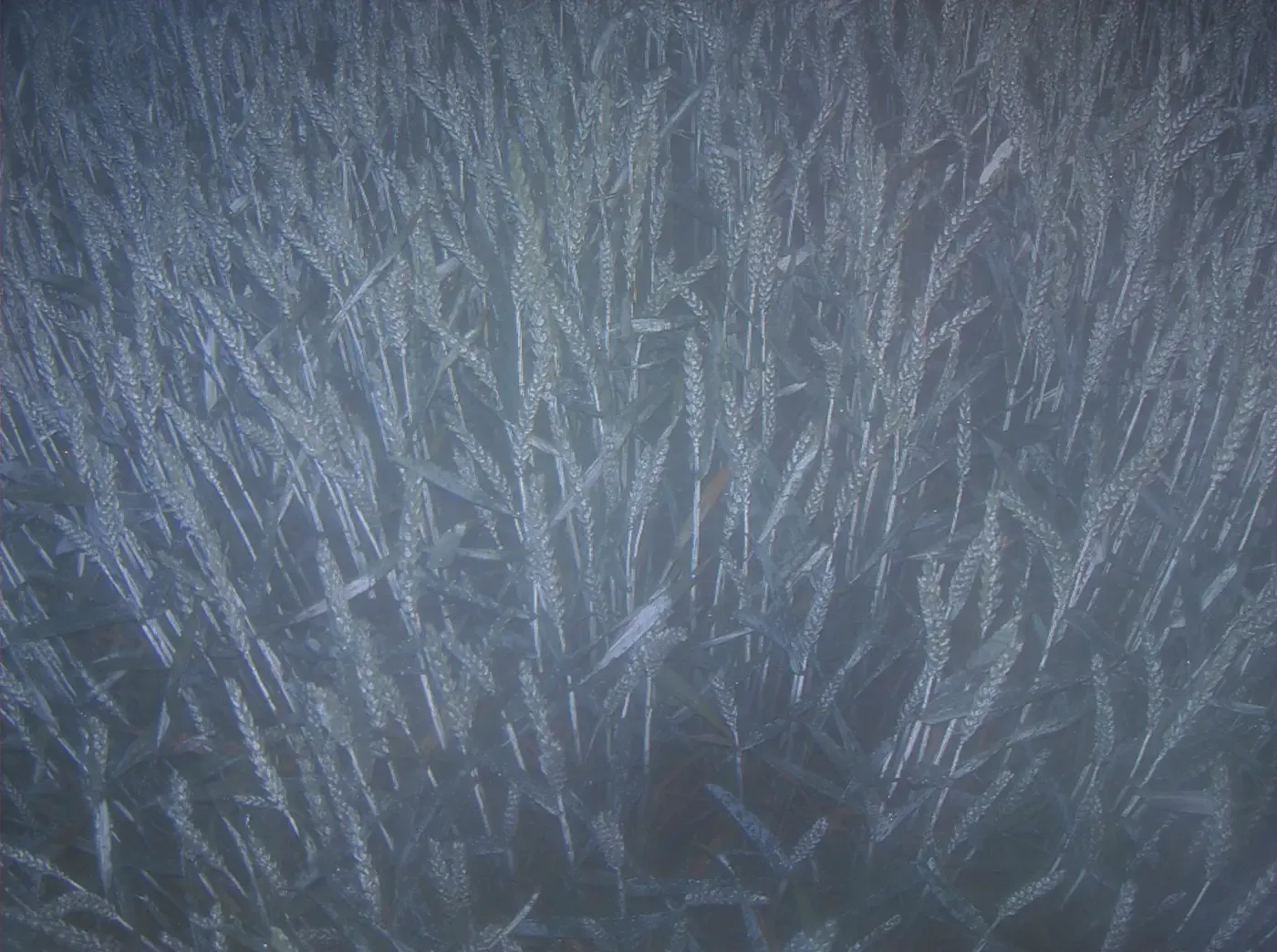
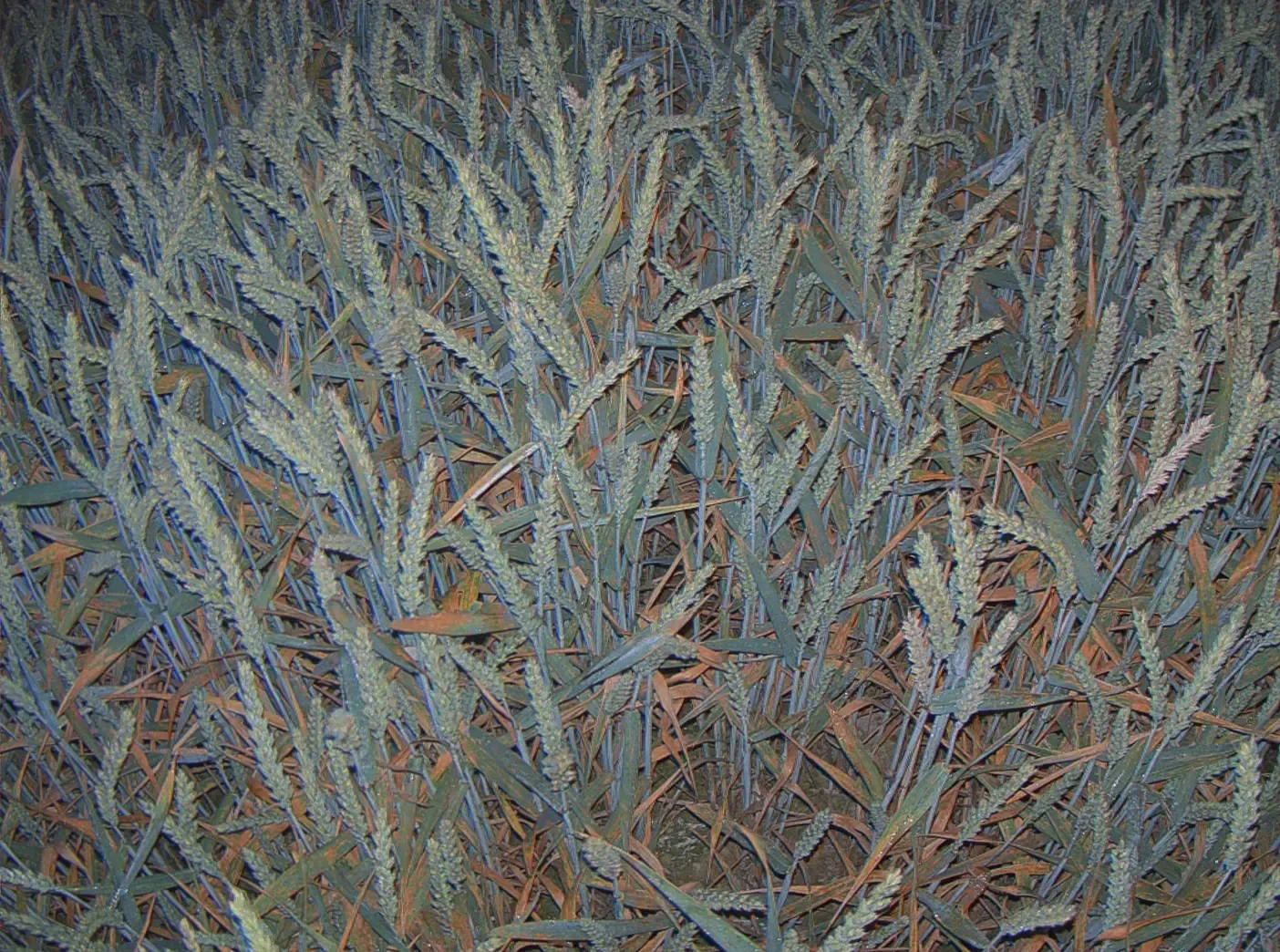
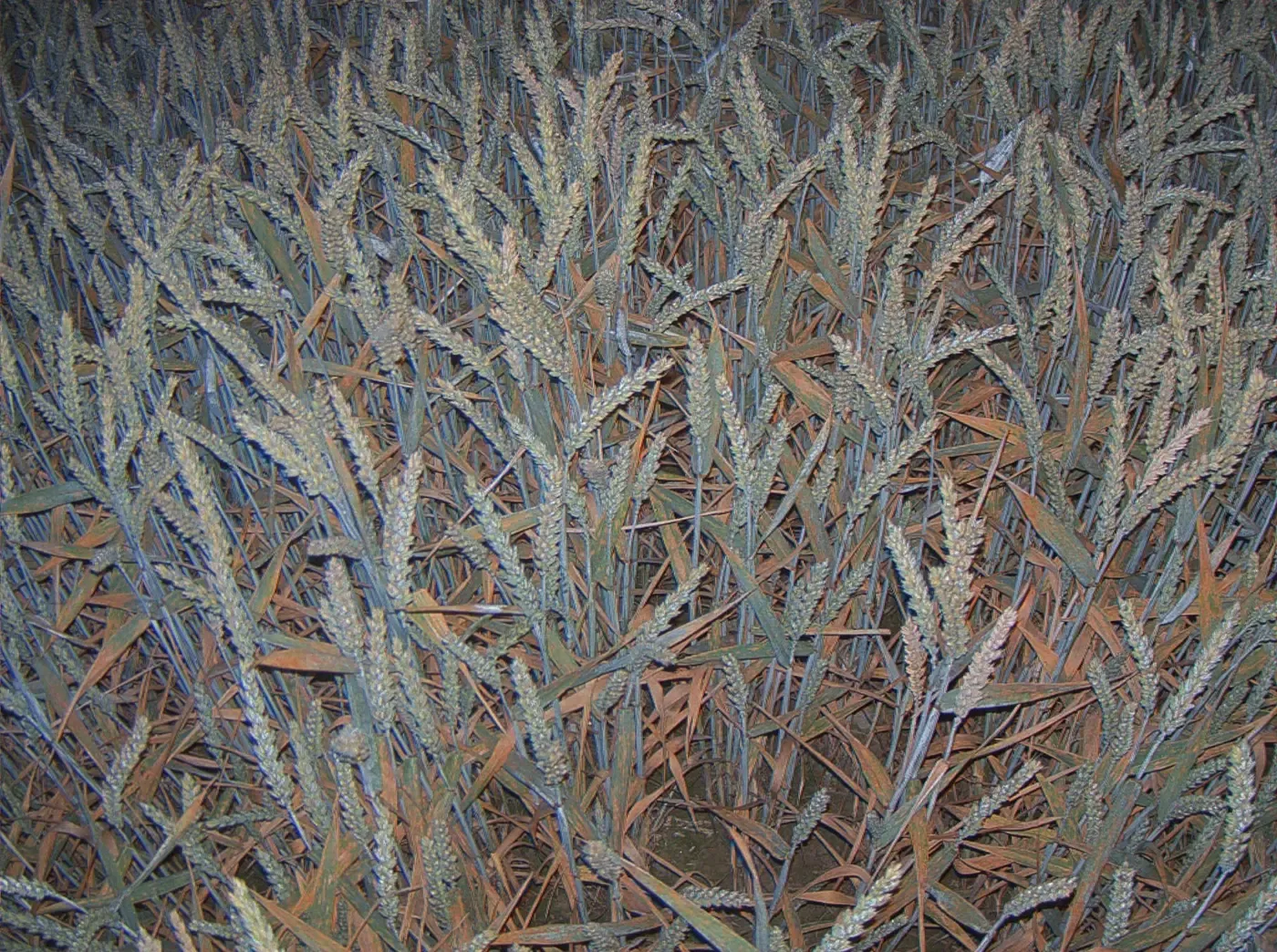
Daily remote monitoring of wheat development
How Cropler helped: Cropler recorded the presence of fog and moisture starting on July 2, 2024, and the series of photographs showed the development of leaf rust on wheat. By mid-July, the development of rust had significantly increased.
Outcome: The presence of a camera in the field provided agronomists with up-to-date information, so they could monitor the development of crop disease daily and take action to address it.

Detecting problems in the rapeseed field
How Cropler helped: The farm's agronomist set a pheromone trap, and Cropler’s camera took a series of photos every day, showing the dynamics of insect emergence and a significant increase in their numbers by the end of April.
Cropler regularly notified the farmer about the significant problem in the field. However, the farmer was unable to find the workforce to address the situation.
Outcome: Having a camera in the field allows for daily monitoring. You will always see what is happening in your field to take timely action if a problem arises.
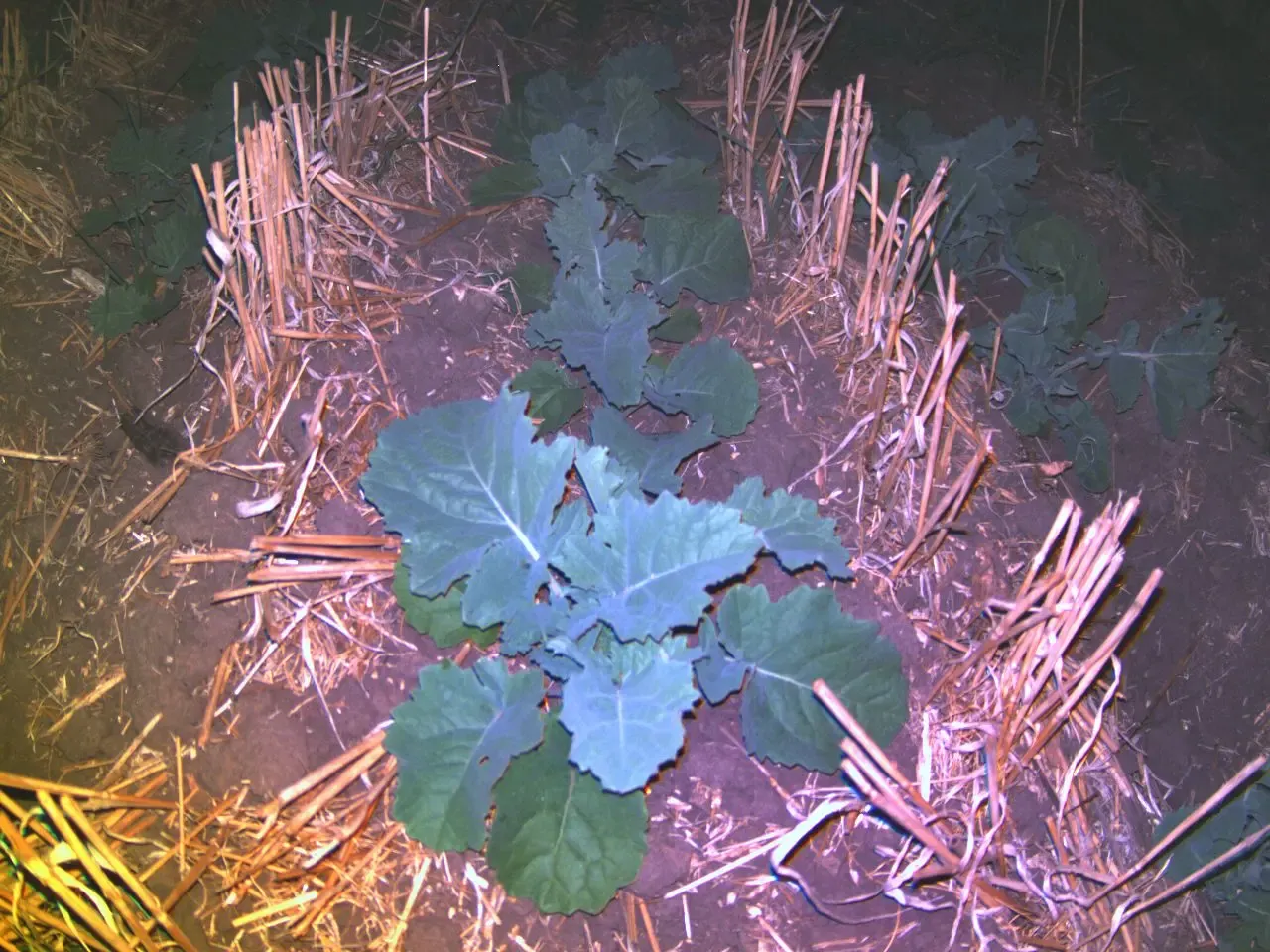
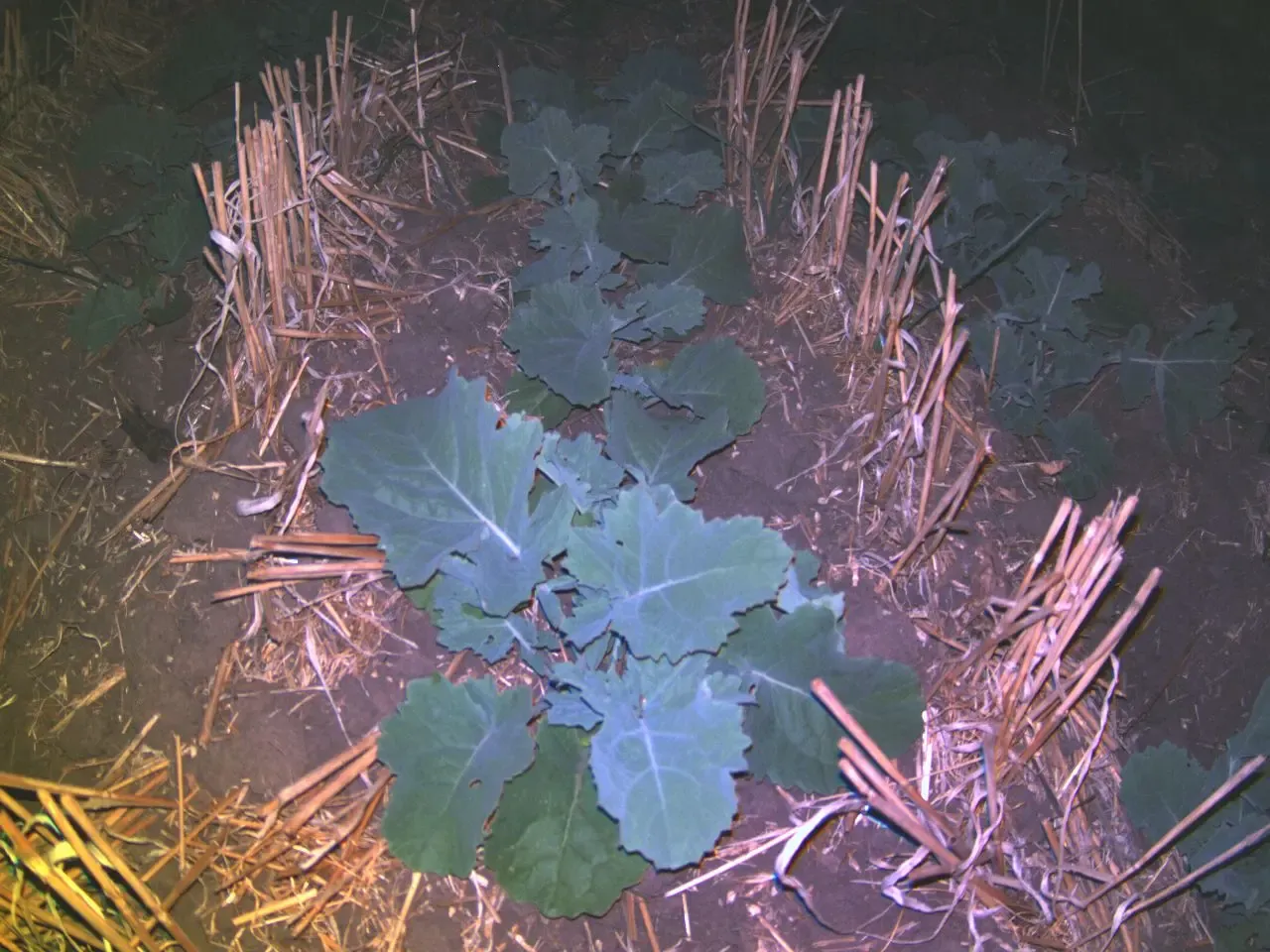
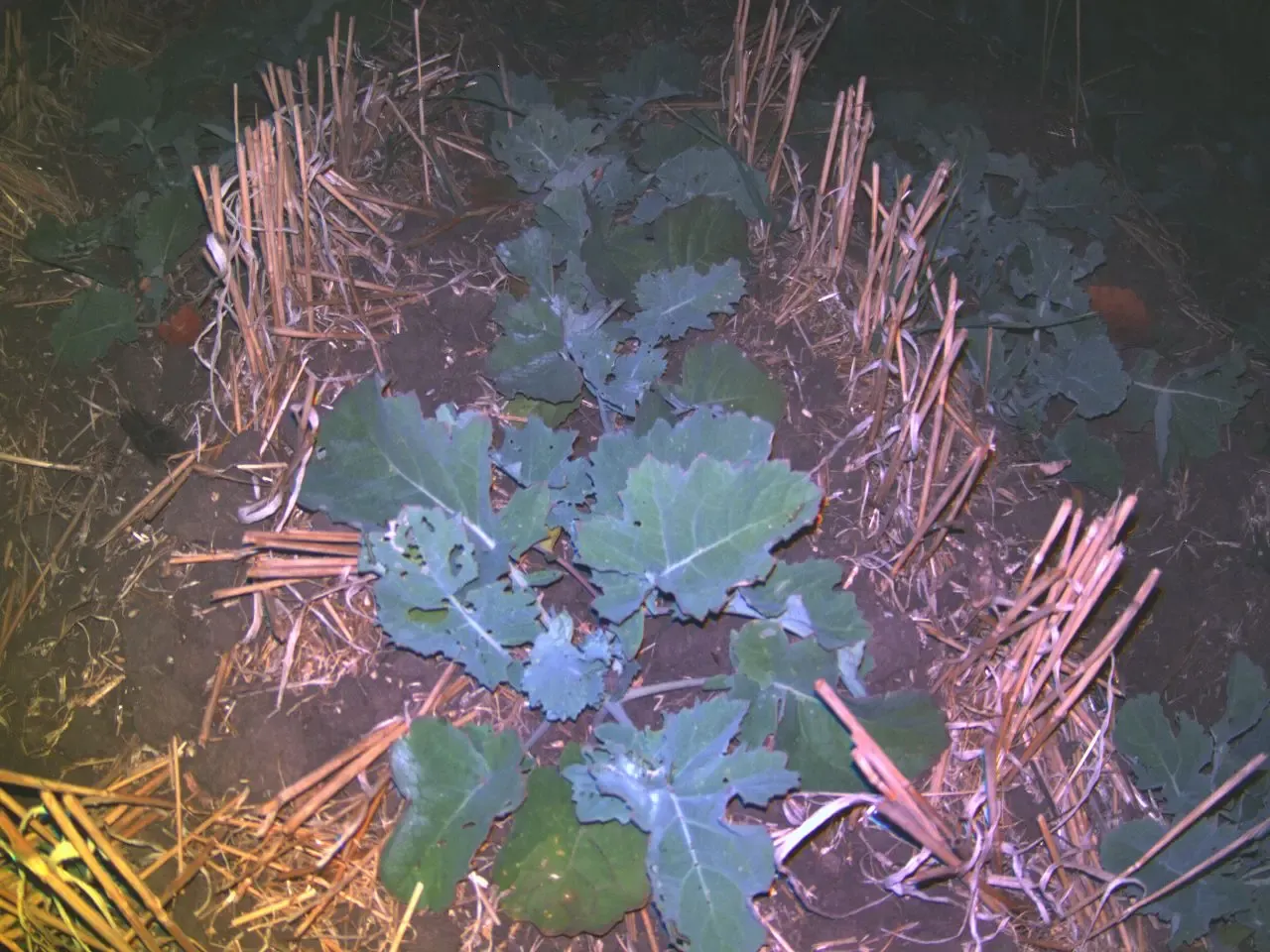
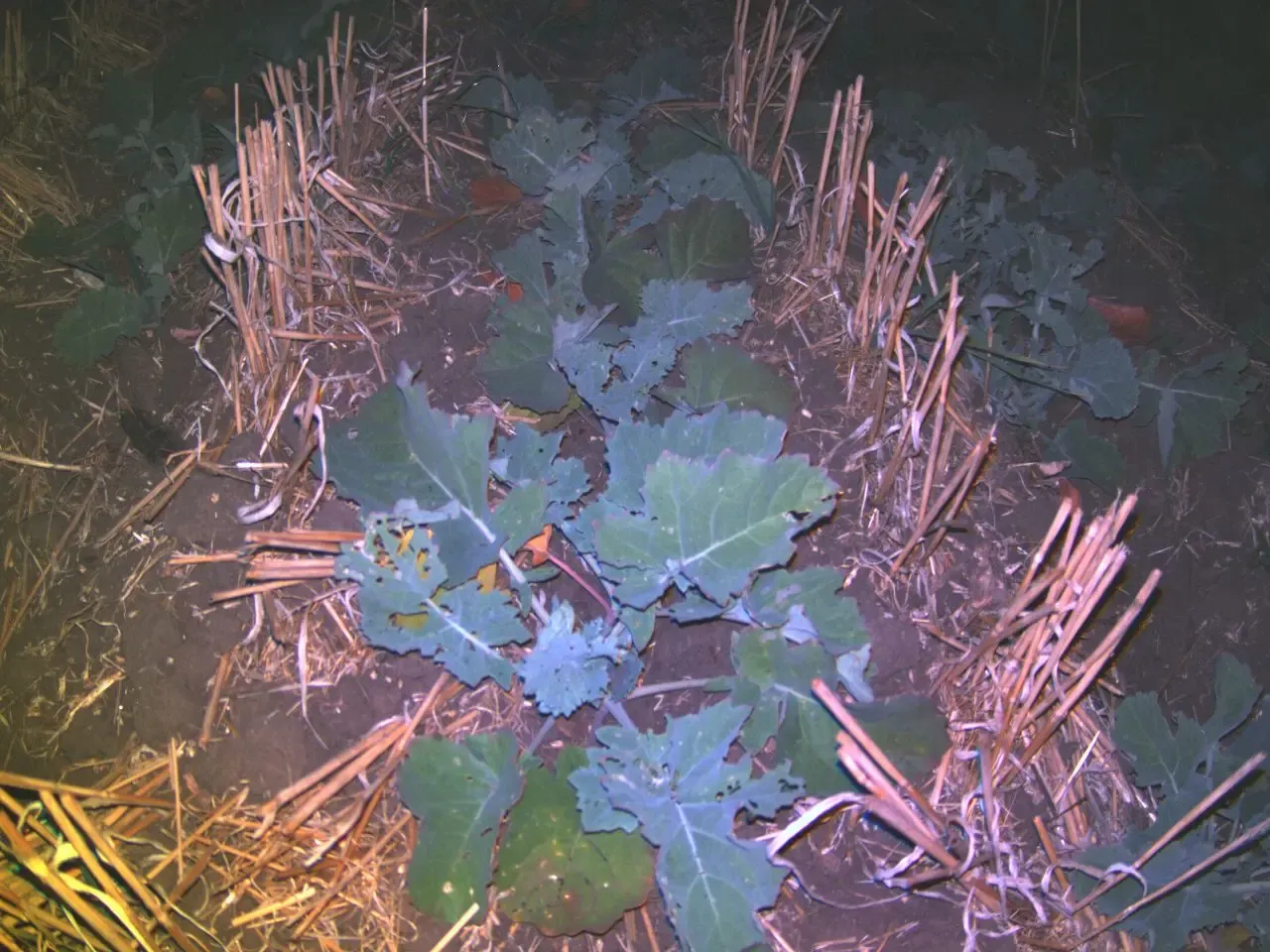
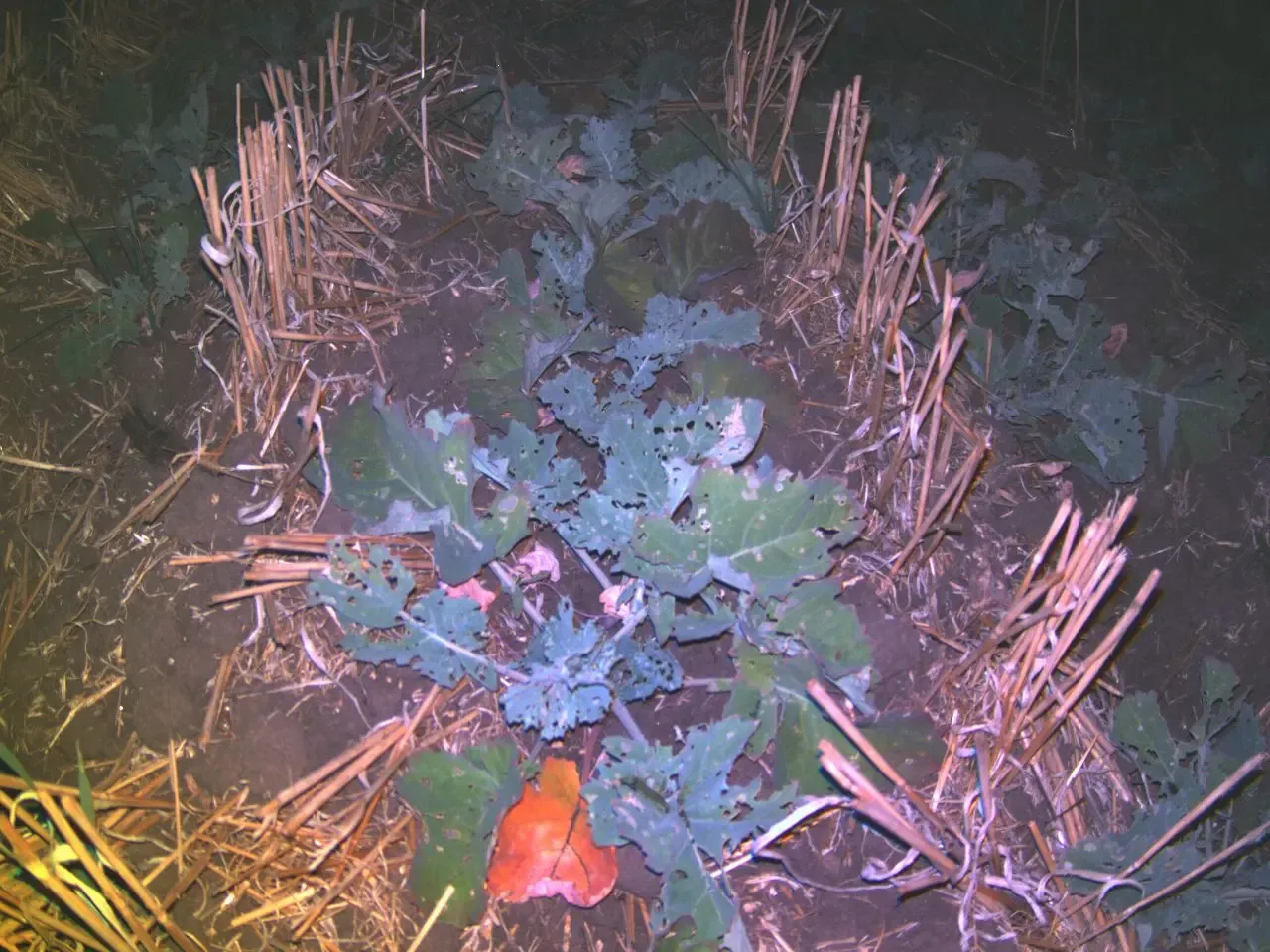
Detecting problems in the rapeseed field
How Cropler helped: The farm's agronomist set a pheromone trap, and Cropler’s camera took a series of photos every day, showing the dynamics of insect emergence and a significant increase in their numbers by the end of April.
Cropler regularly notified the farmer about the significant problem in the field. However, the farmer was unable to find the workforce to address the situation.
Outcome: Having a camera in the field allows for daily monitoring. You will always see what is happening in your field to take timely action if a problem arises.

Detecting a beetroot disease
How Cropler helped: Cropler’s agri-cameras detected Cercospora Leaf Spot on beets. On mature leaves, circular light-brown spots with a 2-3 mm diameter and a reddish-brown border were observed.
Why detecting Cercospora is critical: Severely affected leaves die off, prompting the plant to produce new leaves, which consume a significant amount of nutrients. This results in underdeveloped roots and reduced sugar accumulation. The greater the degree of infection, the higher the losses from Cercospora. With mild infection, sugar yield loss per hectare can range from 5-10%. With moderate infection, losses can reach up to 20%, and with severe infection, up to 70%.
Outcome: Due to daily online monitoring using the Cropler camera, farmers were able to timely detect the disease and apply appropriate fungicides to prevent yield losses.
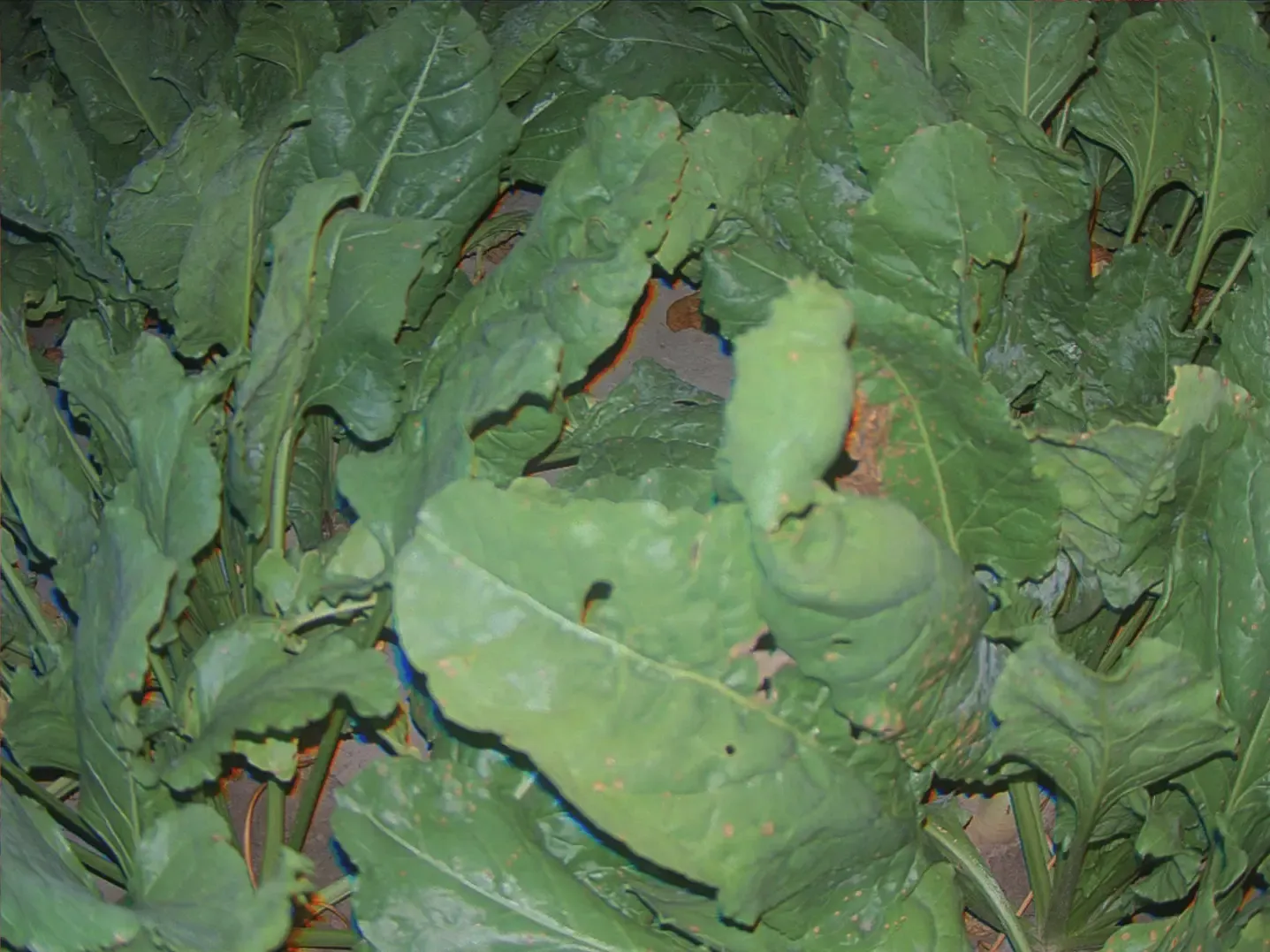
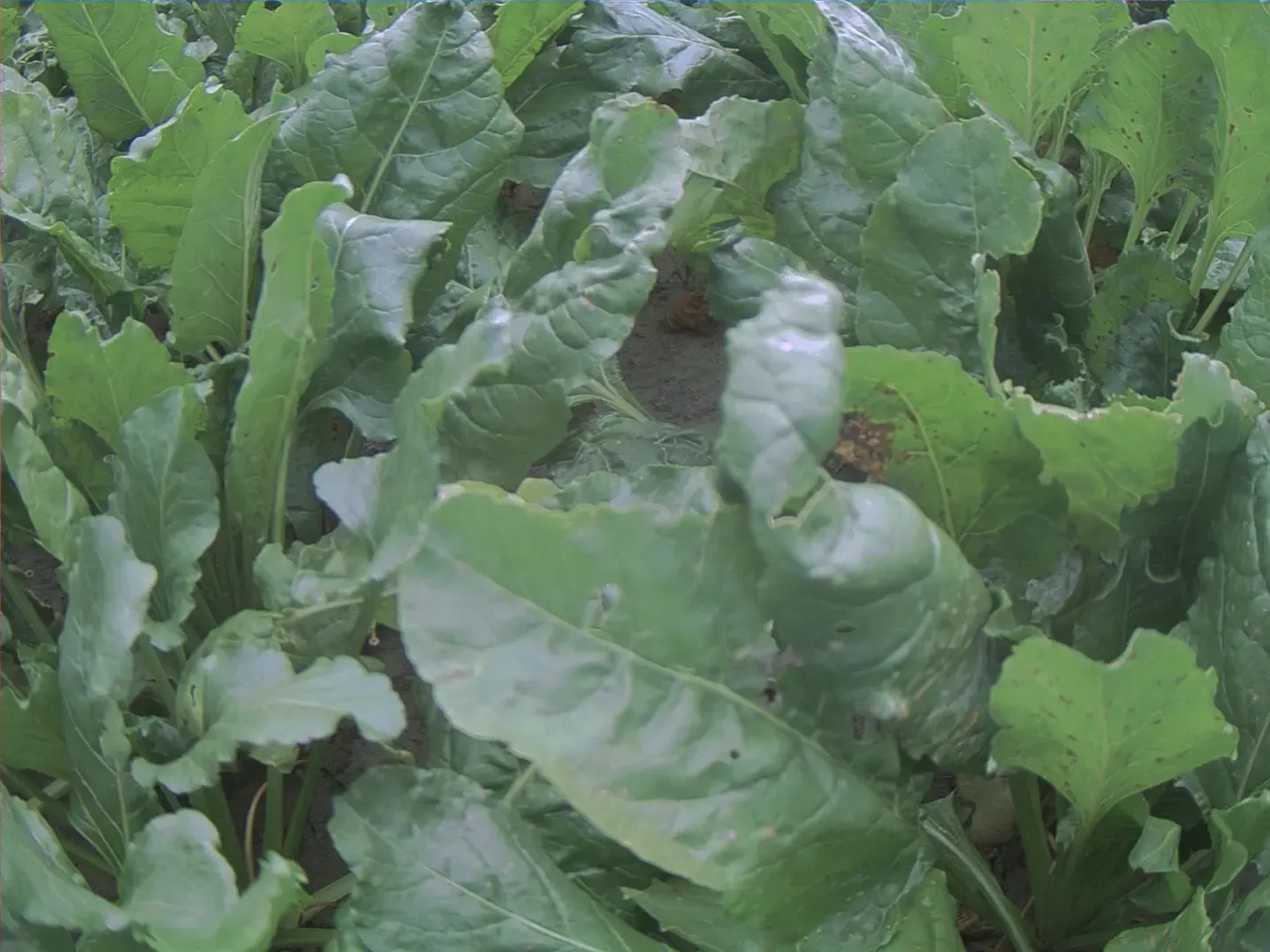
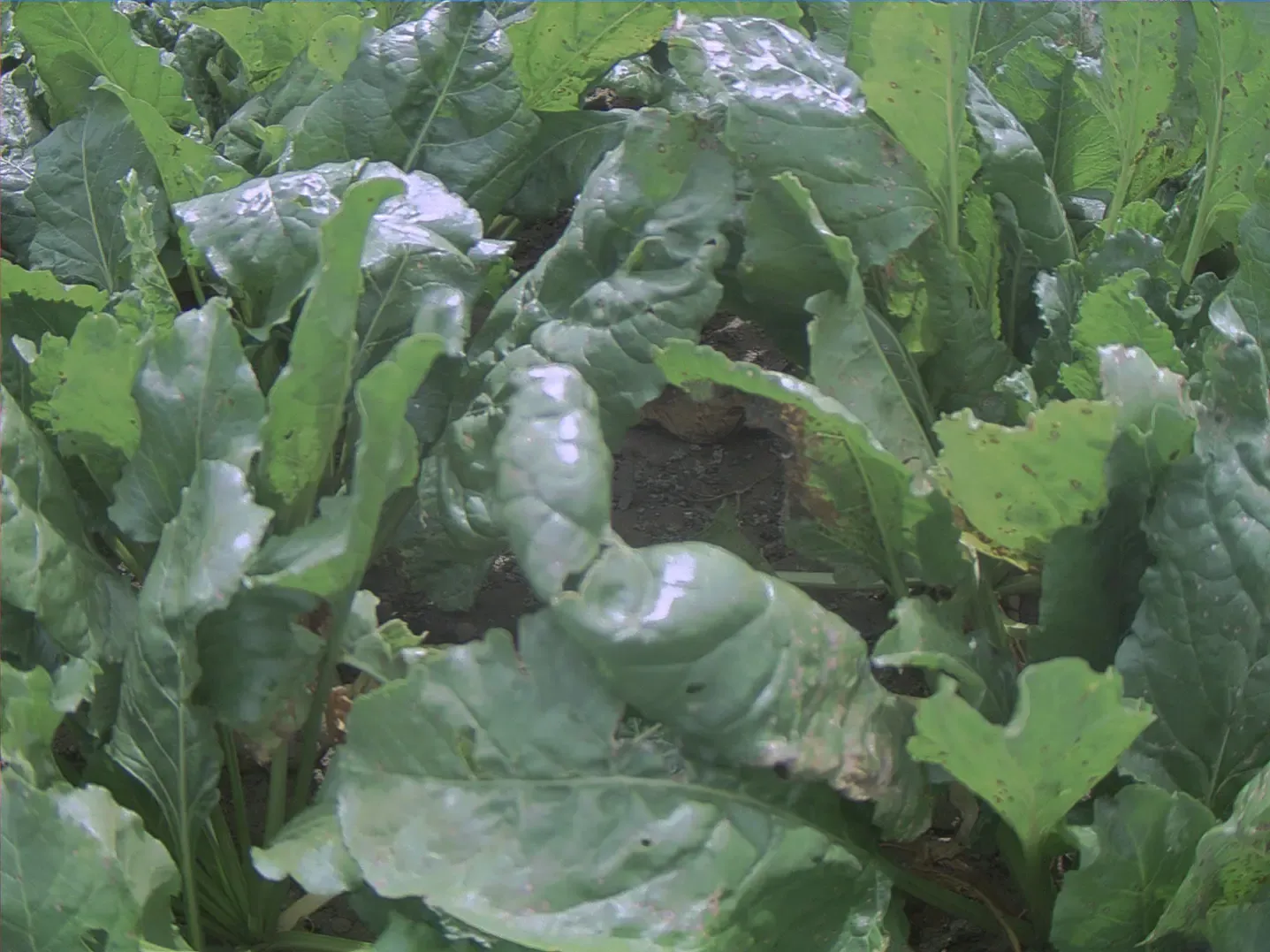
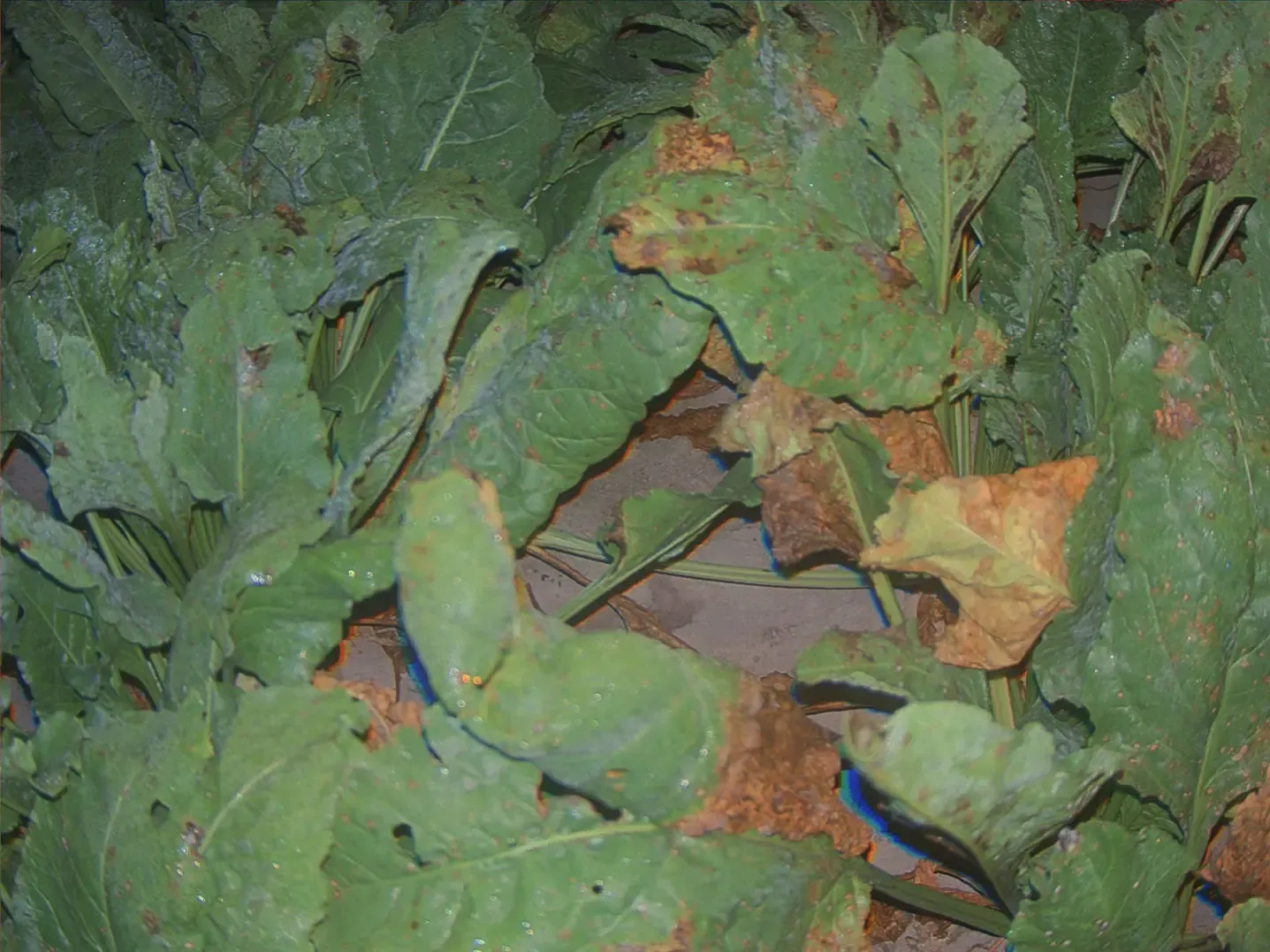
Detecting a beetroot disease
How Cropler helped: Cropler’s agri-cameras detected Cercospora Leaf Spot on beets. On mature leaves, circular light-brown spots with a 2-3 mm diameter and a reddish-brown border were observed.
Why detecting Cercospora is critical: Severely affected leaves die off, prompting the plant to produce new leaves, which consume a significant amount of nutrients. This results in underdeveloped roots and reduced sugar accumulation. The greater the degree of infection, the higher the losses from Cercospora. With mild infection, sugar yield loss per hectare can range from 5-10%. With moderate infection, losses can reach up to 20%, and with severe infection, up to 70%.
Outcome: Due to daily online monitoring using the Cropler camera, farmers were able to timely detect the disease and apply appropriate fungicides to prevent yield losses.

Monitoring potato health
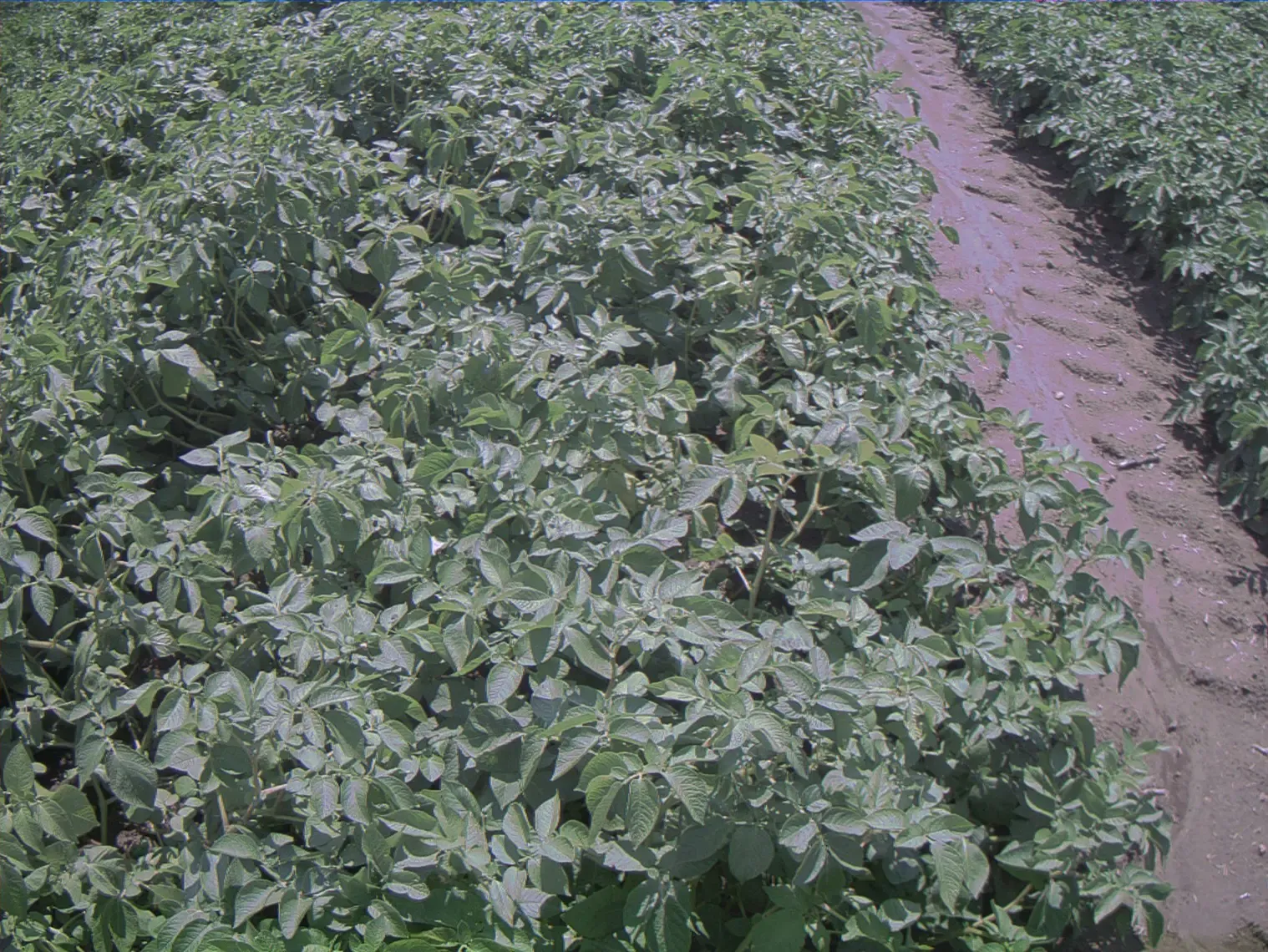
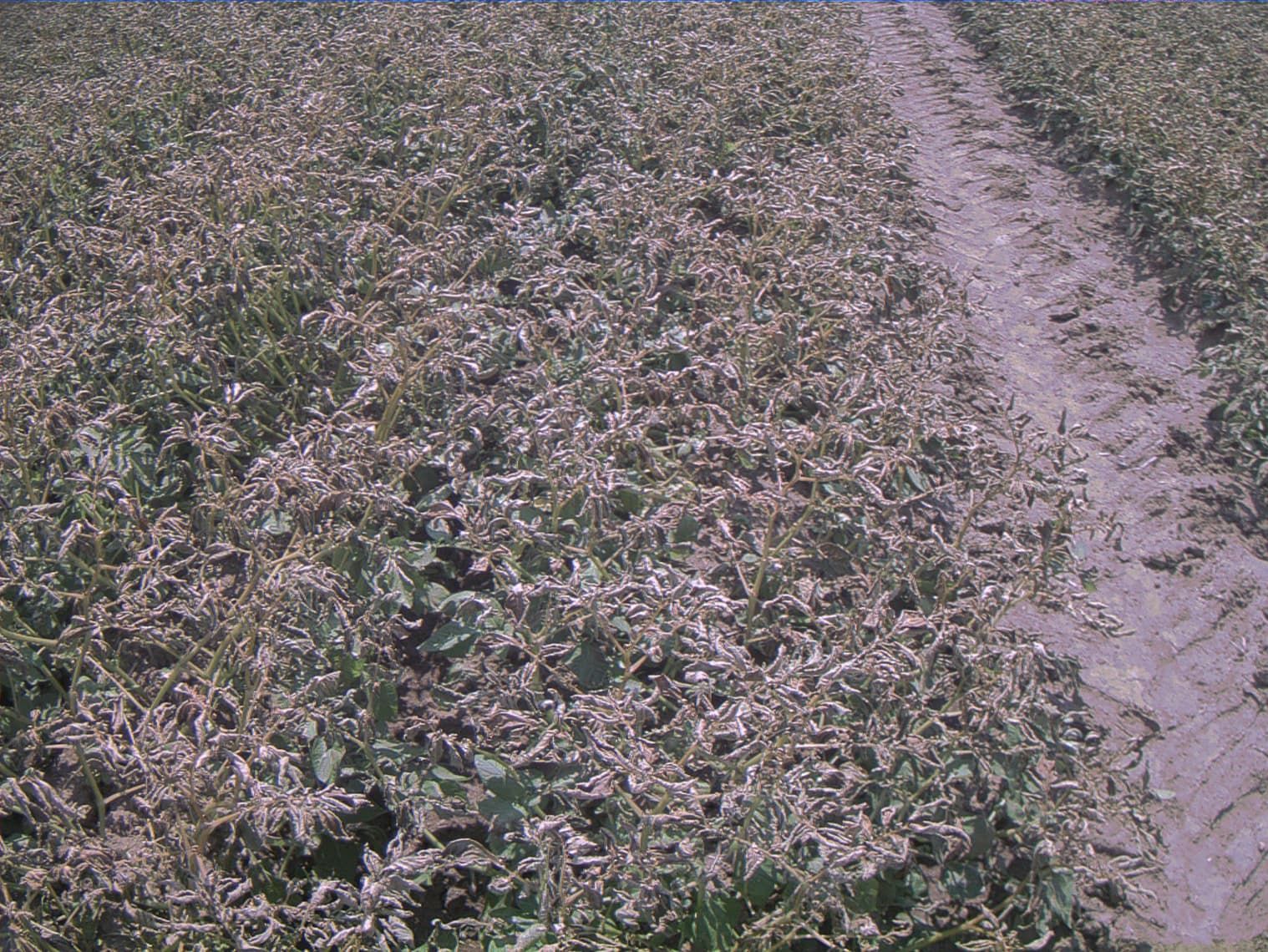
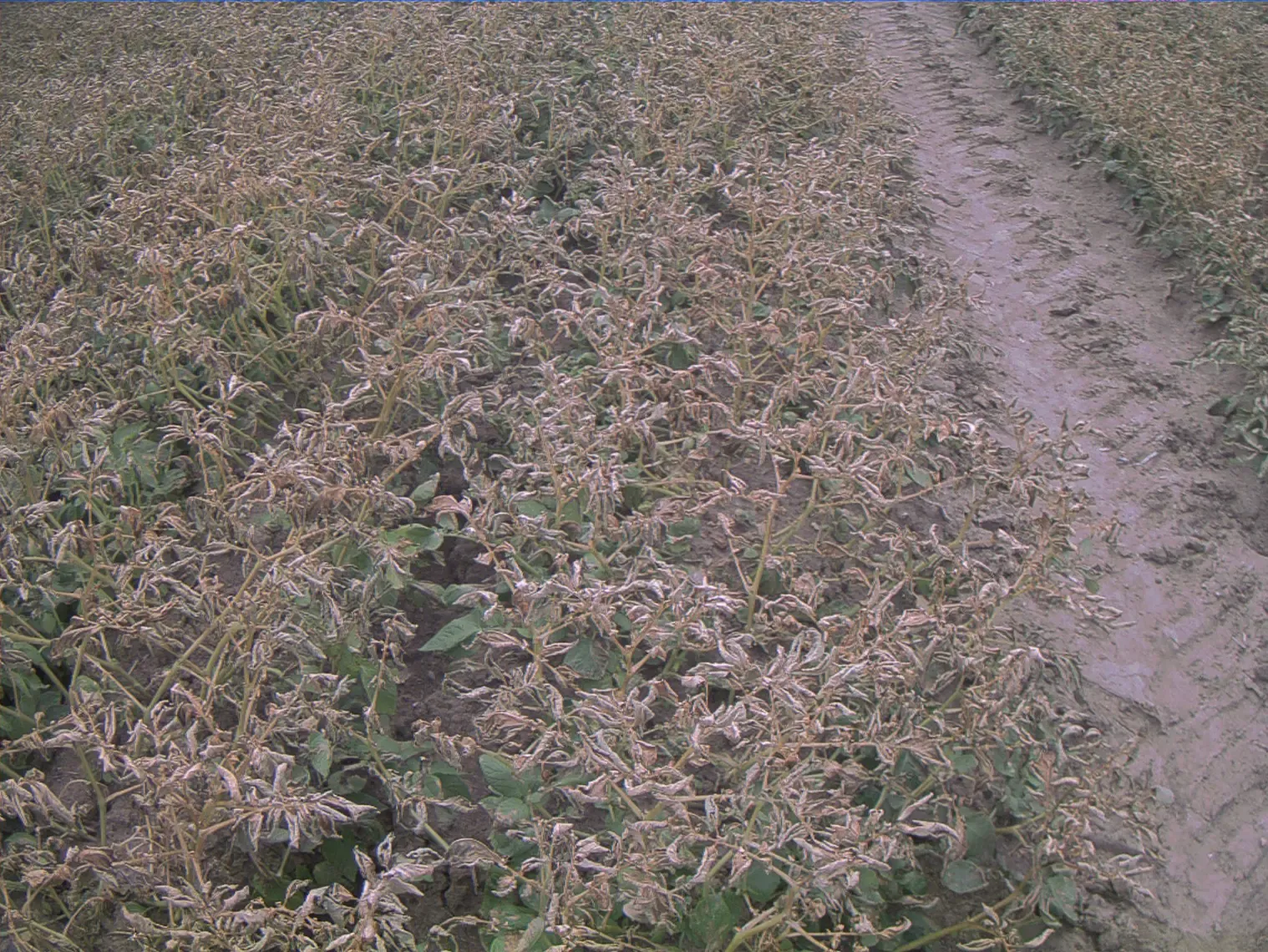
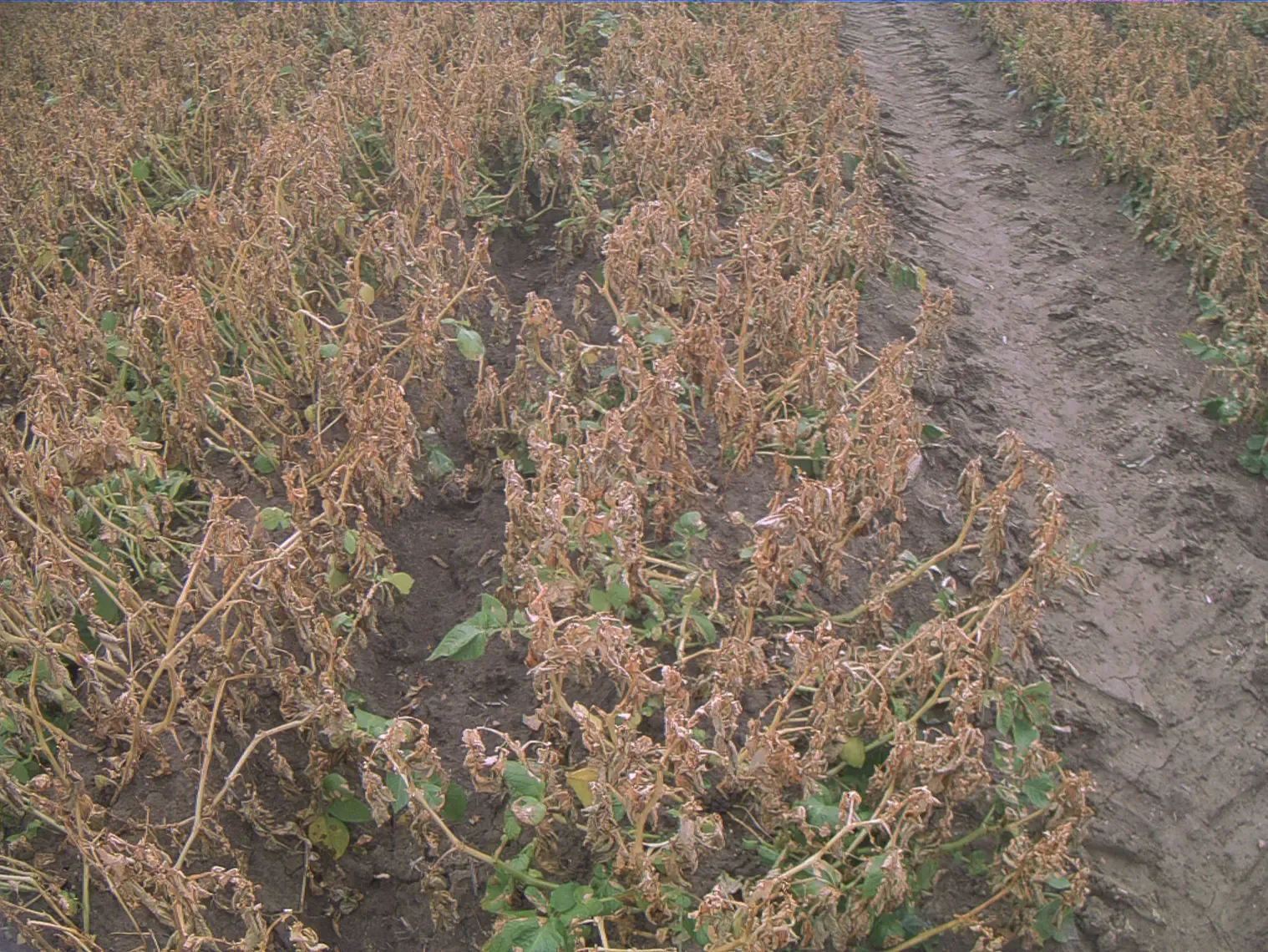
How Cropler helped: Cropler helped to identify a significant deterioration of the potato plants over a short period of time. In the first image from August 7, the plants look green and healthy, but in the subsequent photos, we see a significant deterioration of the plants. This could happen for several reasons: frost or improper treatment with agro-preparations.
Outcome: Remote photo monitoring helped farmers to promptly examine the extent of the damage and start a more detailed study of the situation, taking into account the weather conditions and the history of the field treatment. They were able to make timely agricultural decisions based on real-time daily plant data.
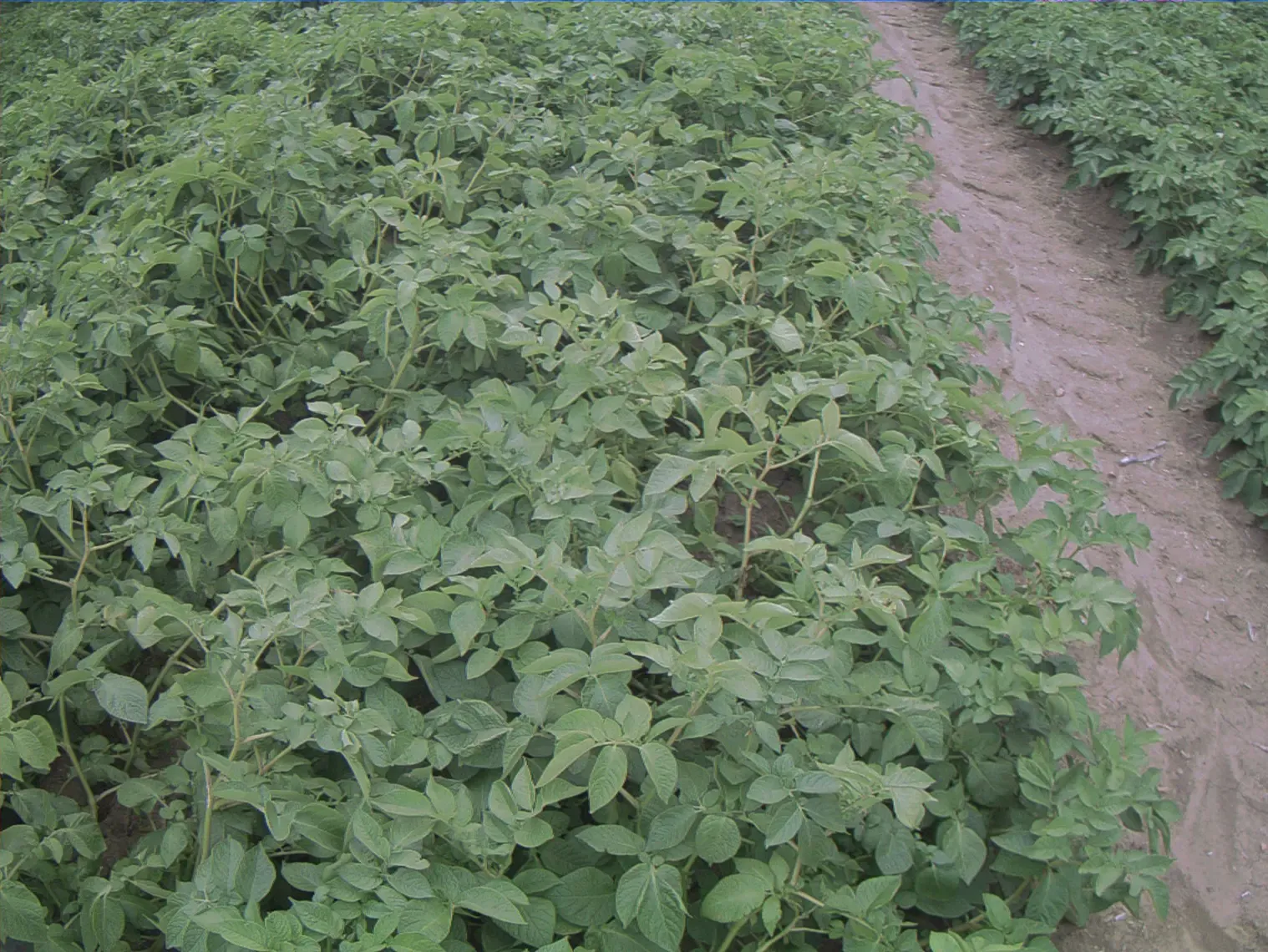
Monitoring potato health
How Cropler helped: Cropler helped to identify a significant deterioration of the potato plants over a short period of time. In the first image from August 7, the plants look green and healthy, but in the subsequent photos, we see a significant deterioration of the plants. This could happen for several reasons: frost or improper treatment with agro-preparations.
Outcome: Remote photo monitoring helped farmers to promptly examine the extent of the damage and start a more detailed study of the situation, taking into account the weather conditions and the history of the field treatment. They were able to make timely agricultural decisions based on real-time daily plant data.

Detecting lodging of winter barley
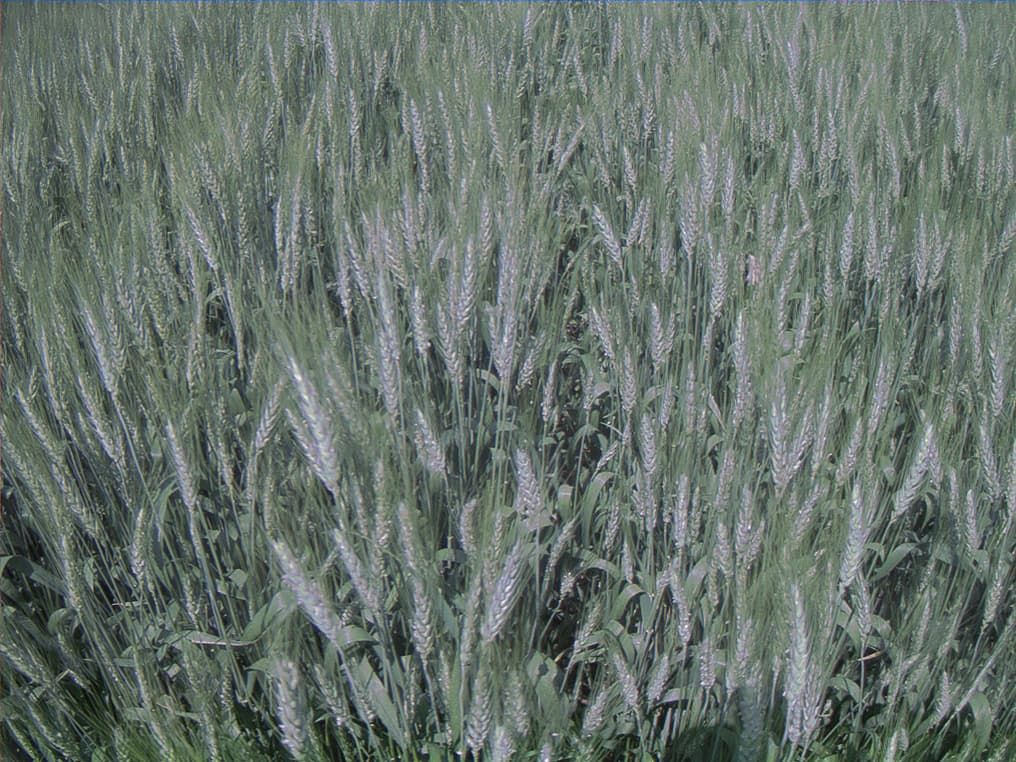
How Cropler helped: On July 17th, Cropler’s agri-camera captured a healthy and robust field of winter barley. The plants stood tall, their stems strong and their green heads full of promise. At first glance, there was no cause for concern, and the crop seemed well on its way to a successful harvest.
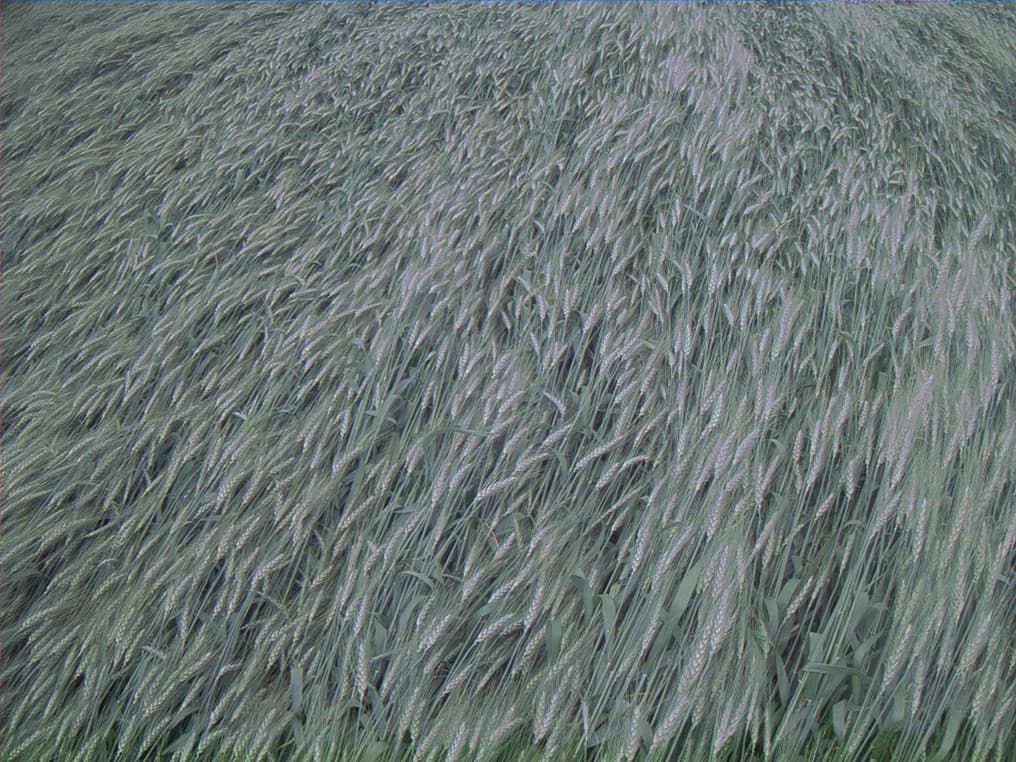
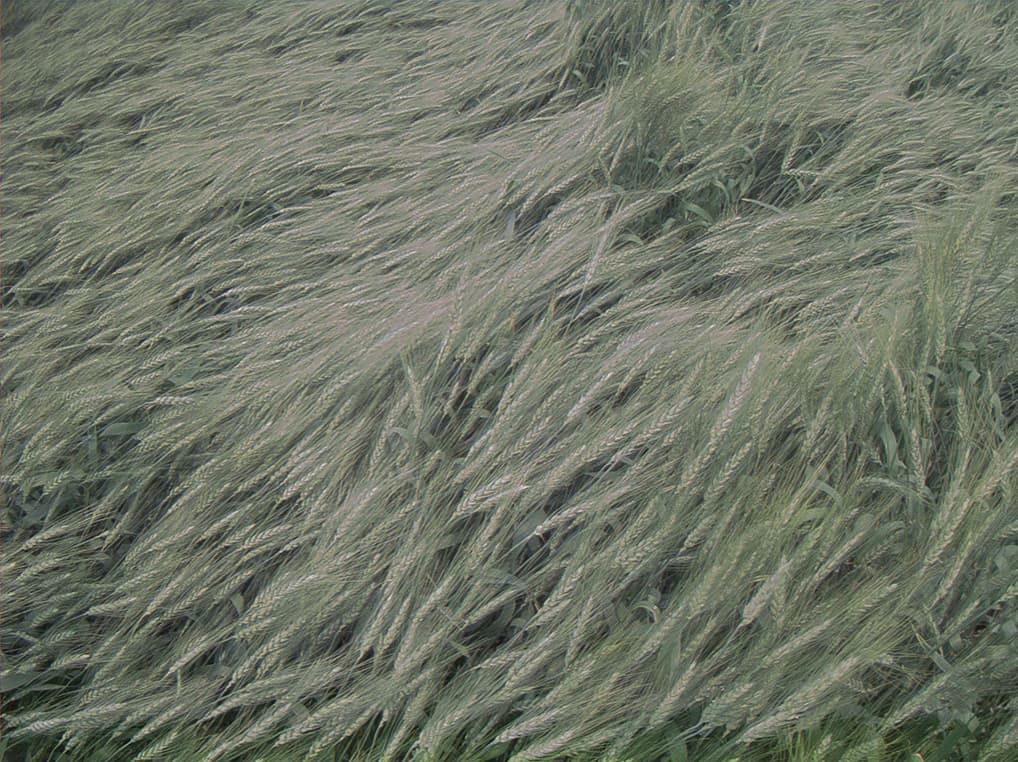
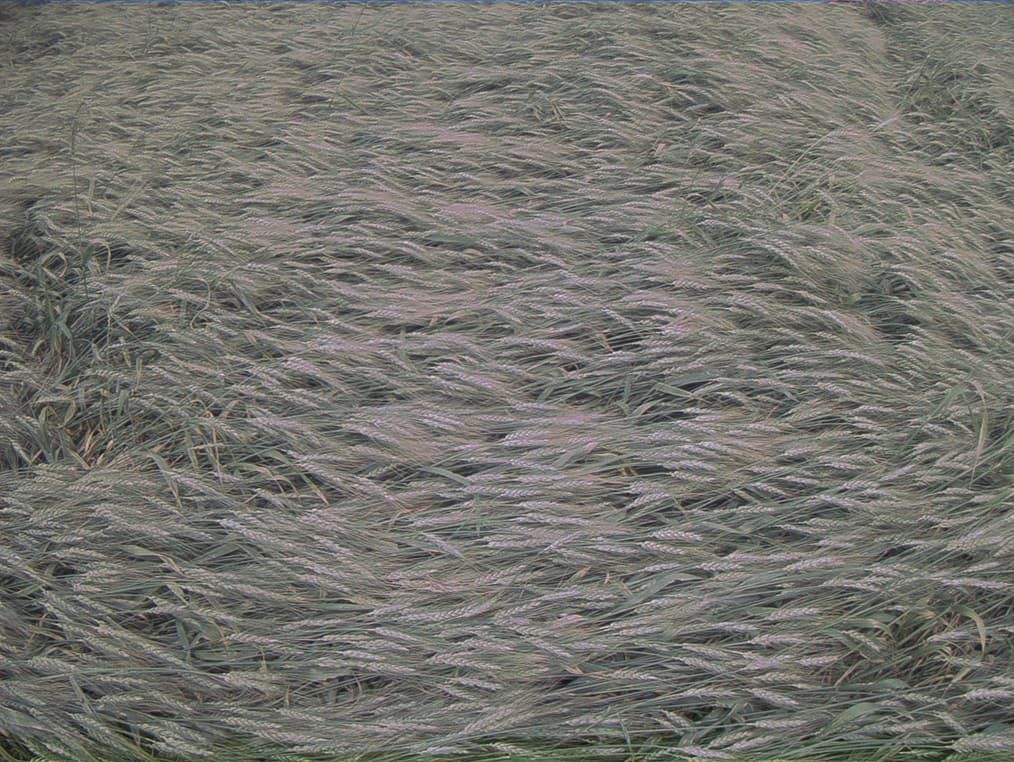
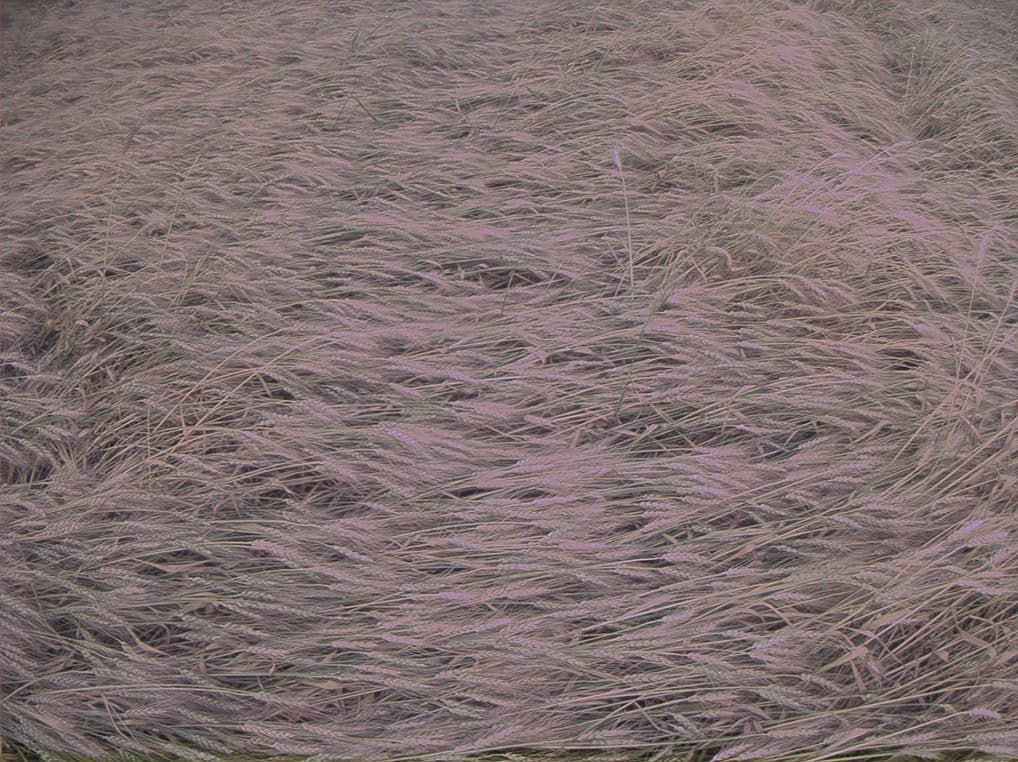
However, the scene changed drastically the very next day. In a new photograph, the barley lay scattered across the ground, its stems collapsed and the plants flattened. This sudden transformation is indicative of a phenomenon known as "lodging."
Lodging occurs when plants lose their vertical stability, causing them to bend or completely fall over. In this case, the likely culprit was strong winds. The force of the wind may have been too much for the barley to withstand, leading to the collapse of the plants.
Thus, despite the initially healthy appearance of the barley, adverse weather conditions took a toll on the crop, resulting in significant damage.
Outcome: Due to daily real-time photo data, farmers were able to take action quickly and make immediate decisions based on real hard plant data.
Detecting lodging of winter barley
How Cropler helped: On July 17th, Cropler’s agri-camera captured a healthy and robust field of winter barley. The plants stood tall, their stems strong and their green heads full of promise. At first glance, there was no cause for concern, and the crop seemed well on its way to a successful harvest.
However, the scene changed drastically the very next day. In a new photograph, the barley lay scattered across the ground, its stems collapsed and the plants flattened. This sudden transformation is indicative of a phenomenon known as "lodging."
Lodging occurs when plants lose their vertical stability, causing them to bend or completely fall over. In this case, the likely culprit was strong winds. The force of the wind may have been too much for the barley to withstand, leading to the collapse of the plants.
Thus, despite the initially healthy appearance of the barley, adverse weather conditions took a toll on the crop, resulting in significant damage.
Outcome: Due to daily real-time photo data, farmers were able to take action quickly and make immediate decisions based on real hard plant data.

Monitoring soybean health
How Cropler helped: Cropler helped to identify a significant deterioration of the potato plants over a short period of time. In the first image from August 7, the plants look green and healthy, but in the subsequent photos, we see a significant deterioration of the plants. This could happen for several reasons: frost or improper treatment with agro-preparations.
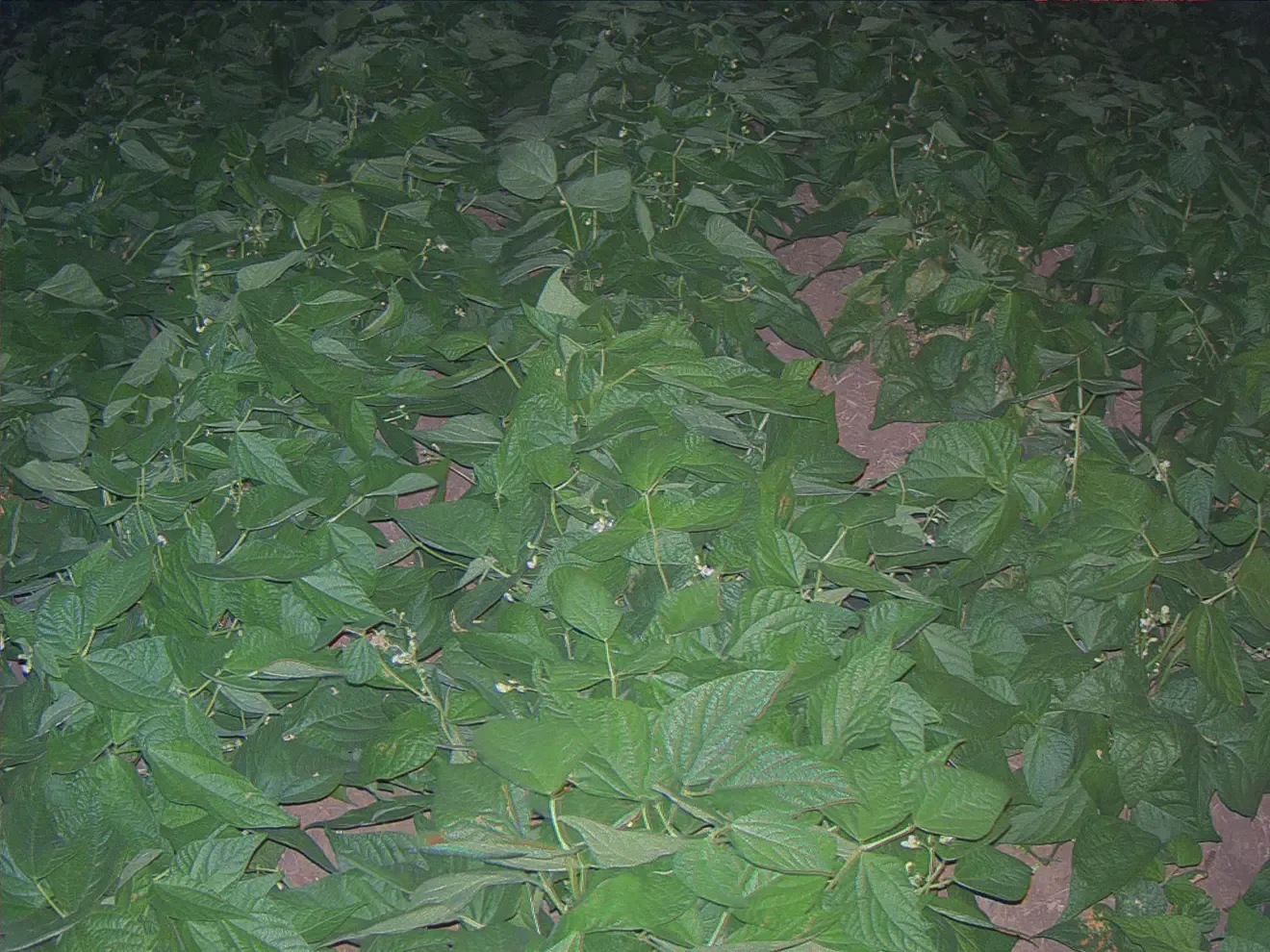
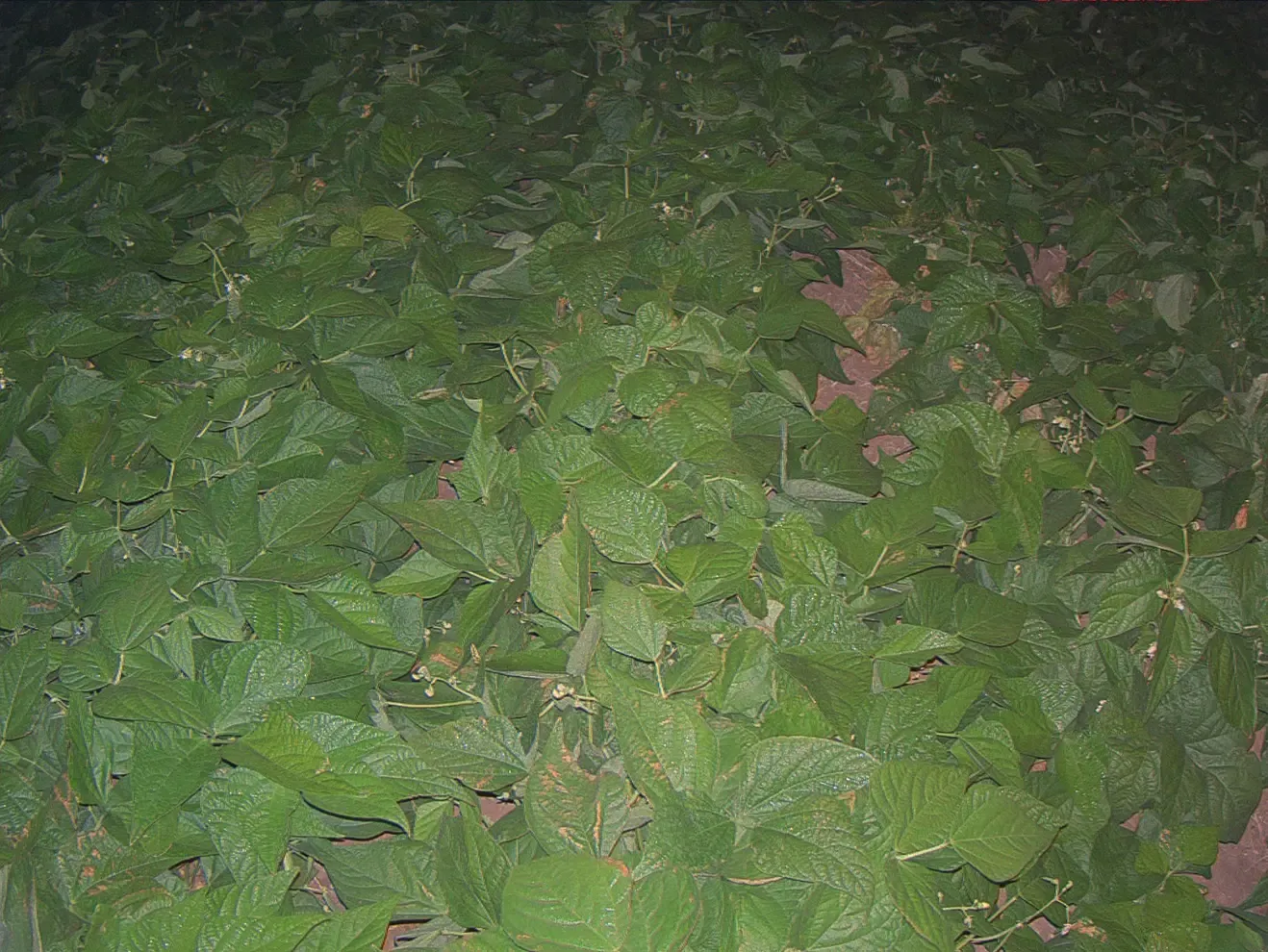
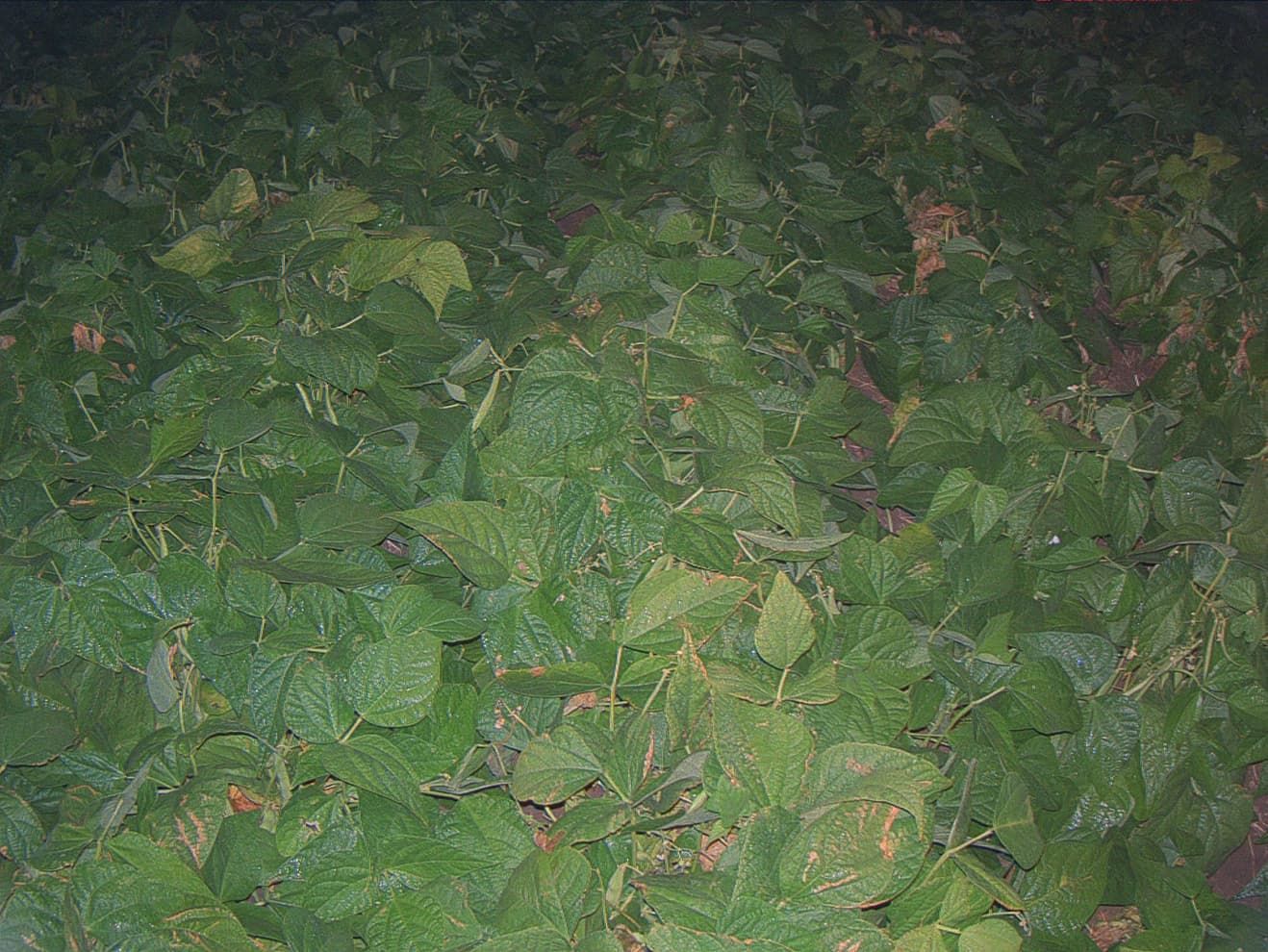
Over time, as observations were made, it became clear that the disease was progressing. Each day, the number of affected leaves increased, and by August 20, the situation had worsened considerably. At this stage, the lesions had become more extensive and visible, indicating that the disease was spreading rapidly.
Outcome: Due to daily real-time photo data, farmers were able to monitor and analyze potential harm to make smart agricultural immediate decisions based on real hard plant data.
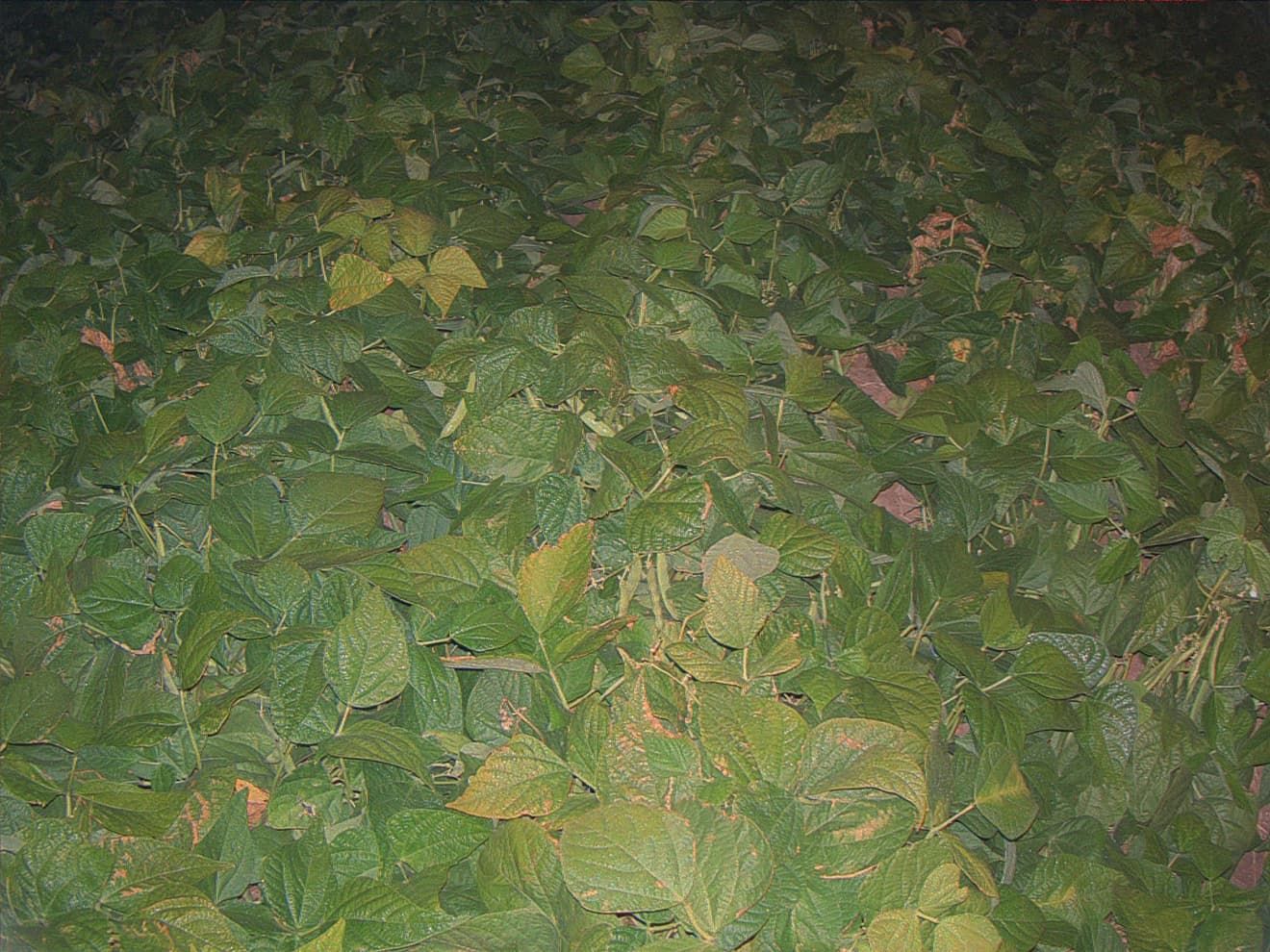
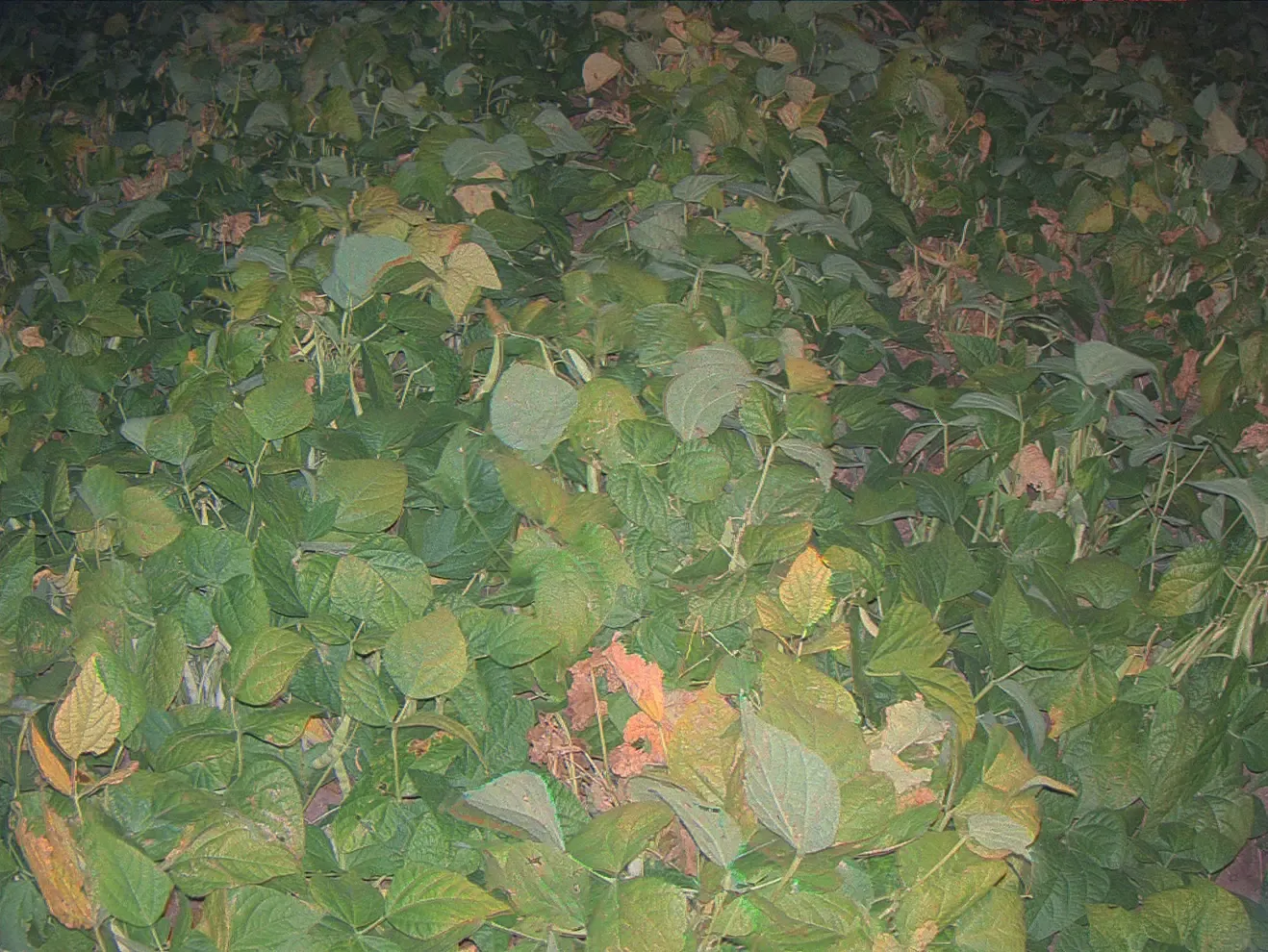
Monitoring soybean health
How Cropler helped: Cropler helped to identify a significant deterioration of the potato plants over a short period of time. In the first image from August 7, the plants look green and healthy, but in the subsequent photos, we see a significant deterioration of the plants. This could happen for several reasons: frost or improper treatment with agro-preparations.
Over time, as observations were made, it became clear that the disease was progressing. Each day, the number of affected leaves increased, and by August 20, the situation had worsened considerably. At this stage, the lesions had become more extensive and visible, indicating that the disease was spreading rapidly.
Outcome: Due to daily real-time photo data, farmers were able to monitor and analyze potential harm to make smart agricultural immediate decisions based on real hard plant data.
Need more data? We have it!
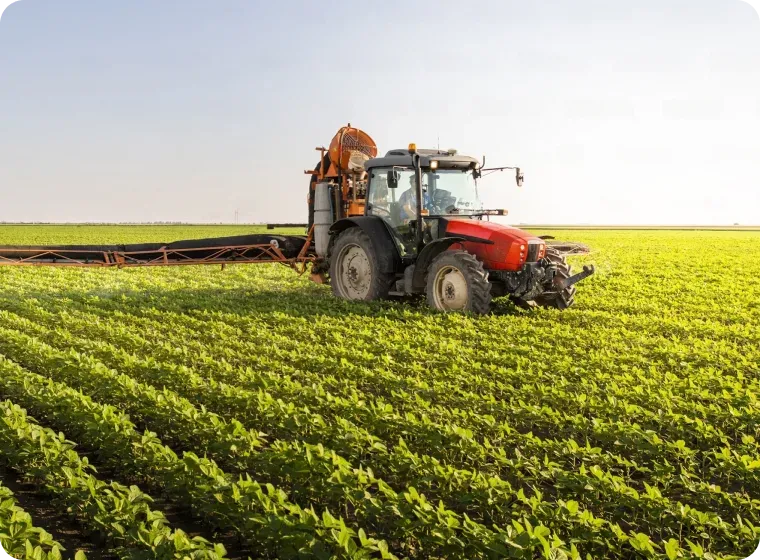
Up to 25% enhanced efficacy of crop chemicals due to the timely environment-responsible usage